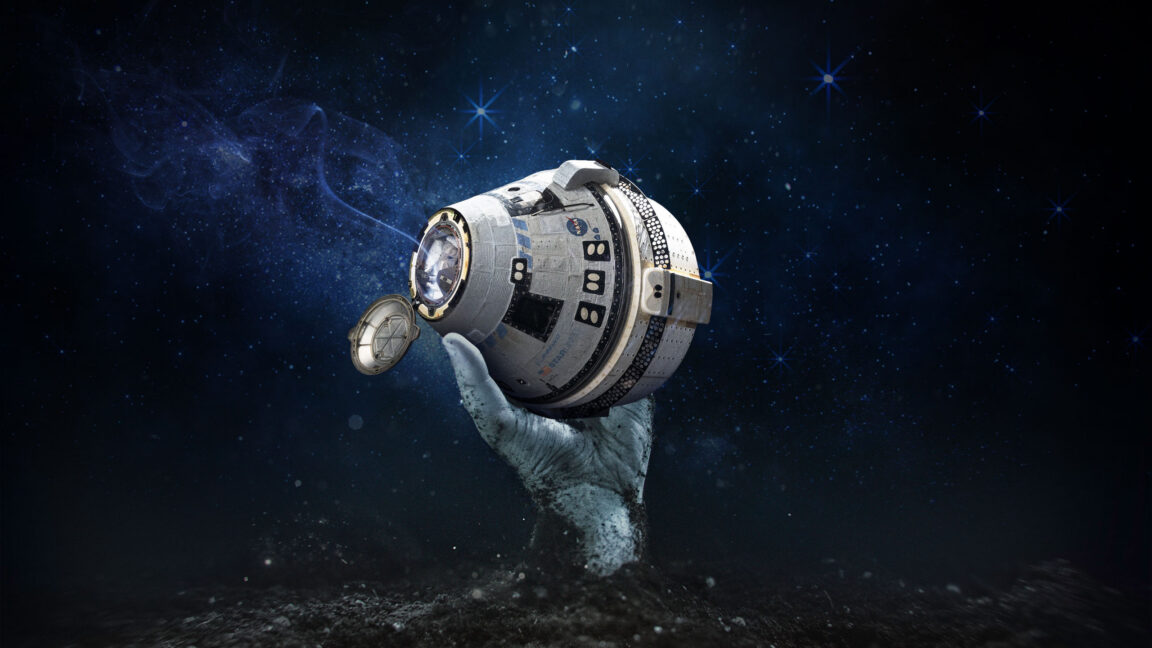
As it contemplates a future without access to SpaceX’s Crew Dragon spacecraft, NASA will make some moves to ensure that Boeing’s Starliner spacecraft is safer and can continue flying after its Atlas V rocket retires.
NASA is taking these steps after SpaceX made clear in discussions with space agency officials in recent months that it intends to retire the Crew Dragon vehicle by 2030, if not before.
Dating to 2010, for development and certification of their vehicles, NASA has paid SpaceX about $3.1 billion and Boeing $5.1 billion.
Starliner experienced issues on uncrewed test flights in 2019 and 2022; most seriously, thruster issues nearly led to the loss of two astronauts during the spacecraft’s first crew test flight in June 2024.
4 sentences from our version of the report,
chosen to cover it. Nothing here is written; every line is in the article below.
How
Summarized version
NASA is taking these steps after SpaceX made clear in discussions with space agency officials in recent months that it intends to retire the Crew Dragon vehicle by 2030. Boeing and NASA would also need to build a crew launch arm and other facilities for human missions, which Blue Origin could also use for its Space Vehicle later.
Headline check
All two things this headline claims are in the report.
Figures, names and quoted words in the headline, looked for in the report itself — not in the summary above. How this is checked
The article, shortened and in plain language
As it contemplates a future without access to SpaceX’s Crew Dragon spacecraft, NASA will make some moves to ensure that Boeing’s Starliner spacecraft is safer and can continue flying after its Atlas V rocket retires.
Multiple sources confirmed to Ars that as early as next week, NASA will announce that it will order two more Starliner crewed missions from Boeing, pay some of the costs to fix the spacecraft’s thruster issues, and provide support to certify the spacecraft’s launch on a new rocket.
NASA is taking these steps after SpaceX made clear in discussions with space agency officials in recent months that it intends to retire the Crew Dragon vehicle by 2030, if not before. Crew Dragon is now the only operational spacecraft NASA has available for routine astronaut missions to low-Earth orbit.
Then Shotwell said that Boeing should step up and deliver.
Dating to 2010, for development and certification of their vehicles, NASA has paid SpaceX about $3.1 billion and Boeing $5.1 billion. With Dragon, the company has launched 13 crewed missions to the International Space Station for NASA, with its next one set for October.
Boeing has tried mightily to bring the more expensive Starliner vehicle into service for NASA. Starliner experienced issues on uncrewed test flights in 2019 and 2022; most seriously, thruster issues nearly led to the loss of two astronauts during the spacecraft’s first crew test flight in June 2024. As a result, in February, NASA formally classified the 2024 flight of Starliner as a “Type A” mishap.
Shortened to 1 minute
of reading, this version reads 7.3 on the Niral Score.
You are reading our version, not theirs.
This is Ars Technica's report shortened to its most important sentences, in plainer words, with
verdicts and loaded words taken out. Plain description stays, and so do adjectives
that carry a fact, such as "former" or "federal". The reporting, the facts and the quotations
are theirs — quotations are never edited — and the indicators beside it measure
this version. Hover or tap Adjectives to see every one left in the text.
How this outlet filed it, and how we rewrote it
No other newsroom we read has filed on this event, so there is nothing to compare it with yet.
Readers can ask a question about this story here.
Questions and answers are for subscribers.
Sign in
to read them.
Comments are read before they appear where anything in them needs a person to look.
Nothing posted here is ever deleted; a comment taken down keeps its text and the reason,
so the decision can be looked at again. How this works