It's that time of year again. This weekend, millions of Australians trade an hour of sleep for more sunshine at the end of the day as daylight saving time (DST) begins.
For some, it signals the start of summery evenings in Australia and more light for after-work activities. For early risers, it could mean tougher wake-ups, with the sun rising later in the morning.
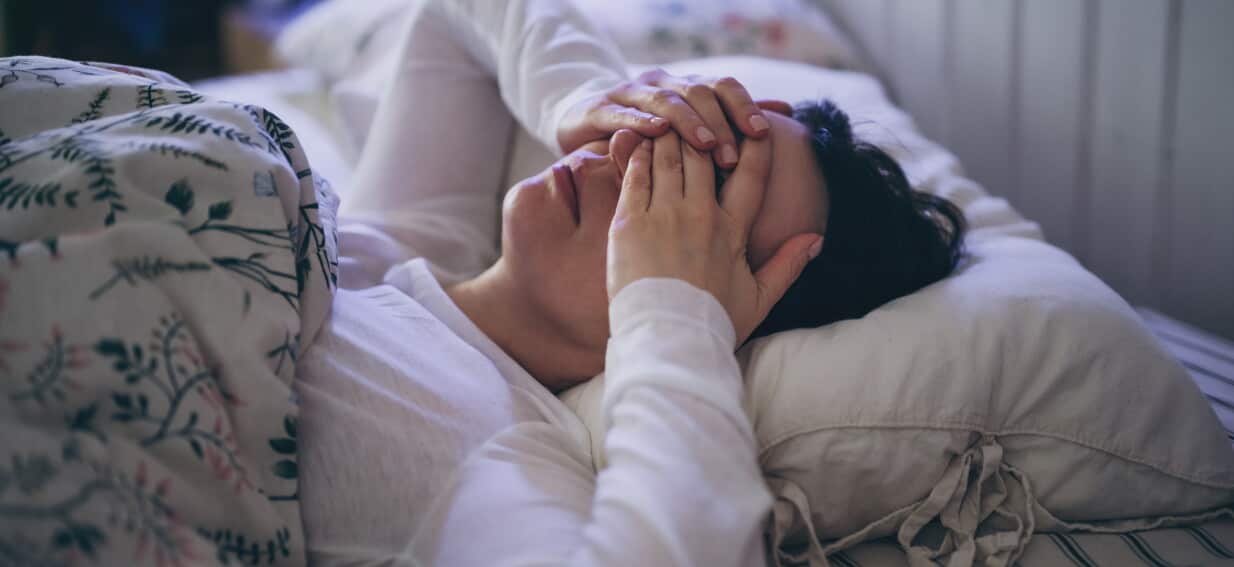
And then there's the disruption to sleep as the clocks move forward by an hour on Sunday — an adjustment often blamed for leaving people tired, irritable and out of sorts.
But new research suggests these disruptions don't necessarily translate into more serious mental health outcomes.
In an international review of existing research into a range of health and wellbeing effects associated with DST transitions, Swinburne University researchers focused specifically on outcomes including depression, bipolar disorder, dementia and seasonal affective disorder.
"We found that there were no consistent or large effects on the transition to daylight saving time on these serious mental health outcomes," Ben Bullock, a senior lecturer and researcher at Swinburne University who specialises in psychology, sleep, mental health and circadian rhythms, told SBS News.
So what does that mean as the spring clock change approaches?
On Sunday 4 October, clocks in NSW, Victoria, Tasmania, South Australia, ACT and Norfolk Island will jump forward to 3am, costing people an hour of sleep in the process.
Queensland, Western Australia, Northern Territory, Christmas Island and the Cocos (Keeling) Islands do not observe daylight saving.
Daylight saving ends on Sunday 4 April at 3am, when clocks go back an hour.
Some sleep experts believe DST can negatively impact sleep, leading to other health risks.
Research suggests that sleep is crucial for mental and physical health, with chronic deprivation and disruption linked to mood changes, cardiovascular disease and impaired cognitive function.
The Sleep Health Foundation, for example, says DST can affect sleep patterns and overall wellbeing by disrupting the body's internal circadian rhythm and sleep-wake cycle.
According to the organisation, the springtime change of clocks is generally harder to adjust to than the one in autumn, when you gain an hour of sleep.
Sleep science organisations in the US, UK and Europe have previously called for seasonal clock changes to be abolished. In the US, President Donald Trump is pushing legislation to make DST permanent year-round across the country.
Bullock stressed the findings don't mean people can't feel the effects of the clock change.
Changes to the timing and availability of light can affect circadian rhythms and sleep, which can in turn influence mood and cognitive function.
But his research found little evidence that these effects translated into more serious mental health outcomes.
The review examined studies using hospital and other official records to measure serious mental health outcomes, including presentations involving depression, substance abuse and psychosis.
Bullock said the researchers wanted to examine whether the evidence supported policy changes such as the one proposed by several international sleep science groups.
"There are effects on sleep and circadian rhythms from changes in the available light and the timing of that light," he said.
"If we're going to get rid of something like daylight saving... We need a stronger evidence base, and we just didn't find that it had that effect."
He said the broader review did, however, find small effects on some other health and wellbeing outcomes, including heart attacks and road accidents.
For those who struggle with the switch to daylight saving, Bullock said there are ways to make the adjustment easier.
In the days leading up to the change, he recommends gradually bringing your bedtime forward, rather than suddenly losing an hour on Sunday.
Getting outside into natural light early on Sunday morning can also help reset the body's internal clock.
"The third thing is to plan for the change and sort of be a bit gentle on yourself," he said.
"So don't plan any big things or big events, or expect to do lots of things on the Sunday after the transition."
"If you just look after yourself on that day, you will adjust slowly over the following few days. The body's pretty good at adjusting reasonably quickly, and it's quite resilient."