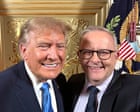
Trump is not popular in Australia, even if the prime minister views close ties with the US as a pillar of foreign policy.
When Anthony Albanese arrived at the United Nations general assembly in September last year, he was desperate for face time with Donald Trump.
The prime minister had been due to hold his first meeting with the US president on the sidelines of the G7 summit in Canada that June, but Trump cancelled at the last minute. By September, he was under pressure to lock in Trump’s support for the Aukus nuclear submarine agreement and show Australia remained a top tier ally.
Rather than waiting for the release of an official photo, he posted a selfie with Trump and his shock of white teeth and announced he’d visit the White House the following month.
A year later, and as Albanese works to grow his stature on the world stage, he did the same thing.
The response on social media was scathing, with responses criticising Albanese for kowtowing to Trump.
At the last election, Albanese campaigned successfully on his opponent, Peter Dutton, being too close to Trump, while in July, a US Studies Centre poll found nearly a third of Australians believed the second Trump administration had been bad for Australia. Only 16% of respondents said Trump’s return to the White House was a good outcome for this country.
His support for Israel over the war in Gaza and his complete disregard for American allies meant Trump wasn’t loved in Australia to begin with.