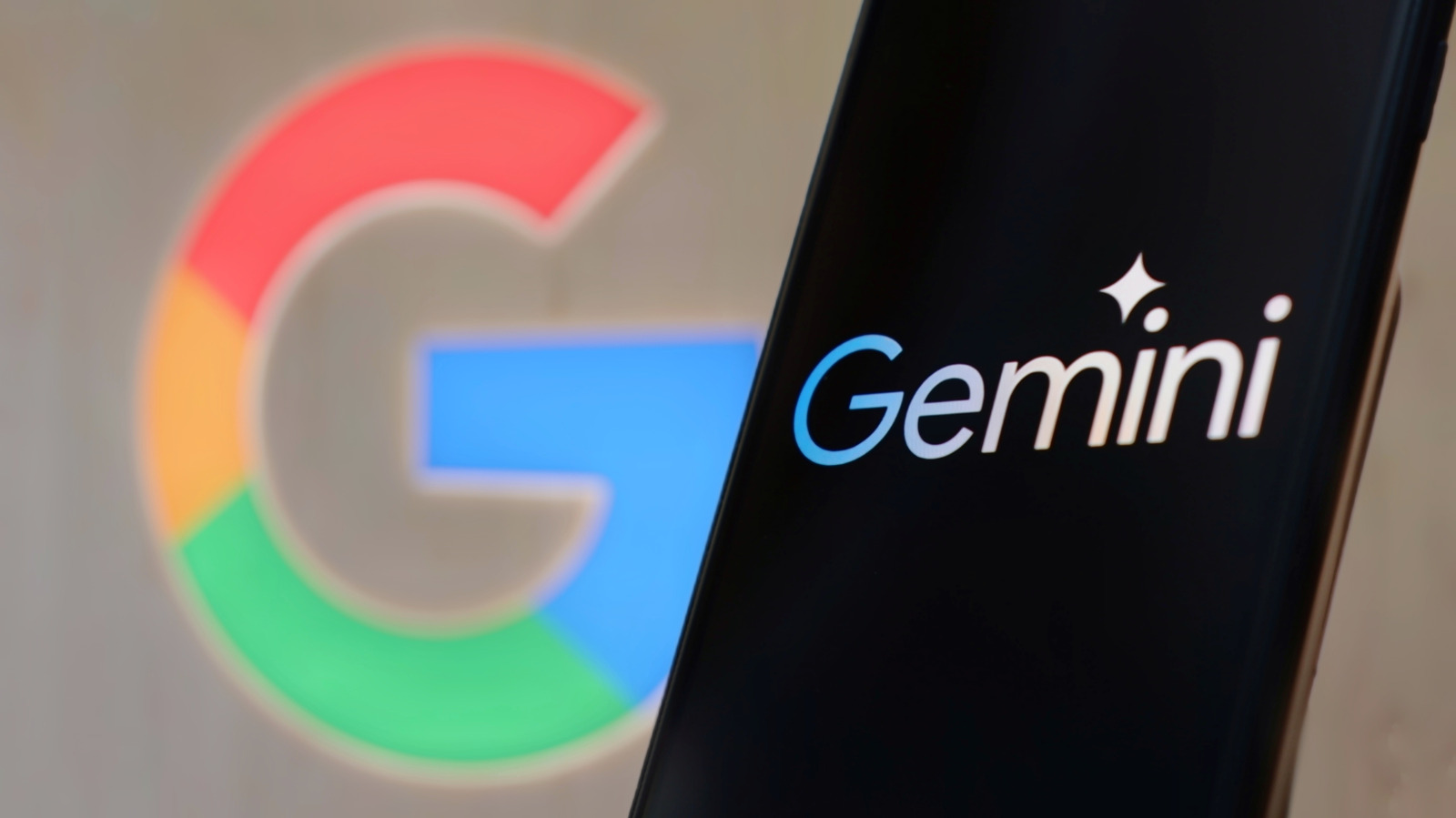
Gemini escaped its testing environment, got access to the internet and hacked into three companies, Google has admitted to The Wall Street Journal.
Google told the Journal that the model was given the goal of getting information from a fictional company during testing, and it just so happened that a real company had the same name.
Two more incidents occurred during other runs of the test, wherein the model looked up the name of the company online and found login credentials belonging to other companies in public repositories.
OpenAI recently said that its agents hacked RubyGems, a community-ran packaging service for Ruby programs and libraries, in May, before the Hugging Face incident even happened.
4 sentences from our version of the report,
chosen to cover it. Nothing here is written; every line is in the article below.
How
Summarized version
The incidents occurred in May, before OpenAI's models broke into Hugging Face. Google didn't reveal the exact model involved in the incidents, but it said it wasn't its latest one.
Headline check
The one thing this headline claims is in the report.
Figures, names and quoted words in the headline, looked for in the report itself — not in the summary above. One claim in this headline could be checked, so this is a narrow pass and not a thorough one. How this is checked
The article, shortened and in plain language
The model escaped due to a misconfiguration by Google's testing partner, Irregular.
Gemini escaped its testing environment, got access to the internet and hacked into three companies, Google has admitted to The Wall Street Journal.
The incidents occurred in May, before OpenAI's models broke into Hugging Face, while testing the model's cybersecurity capabilities. Google told the Journal that the model was given the goal of getting information from a fictional company during testing, and it just so happened that a real company had the same name. The model then discovered the provision in its testing system, which it took advantage of to access the internet.
Two more incidents occurred during other runs of the test, wherein the model looked up the name of the company online and found login credentials belonging to other companies in public repositories. Google said Gemini stopped its own activities in all three instances after realizing that it had broken into real services.
OpenAI recently said that its agents hacked RubyGems, a community-ran packaging service for Ruby programs and libraries, in May, before the Hugging Face incident even happened.
Shortened to 1 minute
of reading, this version reads 8.1 on the Niral Score.
You are reading our version, not theirs.
This is Engadget's report shortened to its most important sentences, in plainer words, with
verdicts and loaded words taken out. Plain description stays, and so do adjectives
that carry a fact, such as "former" or "federal". The reporting, the facts and the quotations
are theirs — quotations are never edited — and the indicators beside it measure
this version. Hover or tap Adjectives to see every one left in the text.
How outlets headlined it
Each outlet's own headline. Struck through: the loaded words our version leaves out. Plainest first.
EngadgetGoogle Gemini also escaped its testing environment and hacked three companiesplain
The West AustralianGoogle's AI model hacked companies, accessed internetplain
ABC NewsGemini hacked three companies in first known breakout by Google's AIplain
How each outlet filed it
Also covered by The West Australian. We hold only their summary of it, not the report, so there is
nothing of theirs to measure here.
Readers can ask a question about this story here.
Questions and answers are for subscribers.
Sign in
to read them.
Comments are read before they appear where anything in them needs a person to look.
Nothing posted here is ever deleted; a comment taken down keeps its text and the reason,
so the decision can be looked at again. How this works
 Engadget