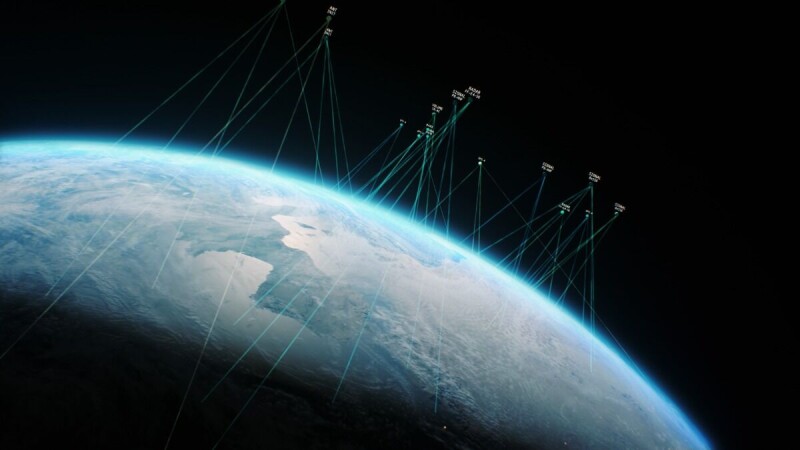
Part of Project Suncatcher, the proof of concept aims to see how well lightly modified compute fares in orbit.
Google will loft its tensor processing units into orbit aboard a SpaceX rocket next week, in the latest phase of its before announced Project Suncatcher space datacenter initiative.
Earlier this year, Gartner analyst Bill Ray described the idea as “peak insanity.”
Google has been pragmatic relative to others like SpaceXAI, which like any other Musk-run outfit can't help but set targets like 250-kilowatt satellites.
Rather than grand plans and satellite concepts backed by launch economics, Google's Project Suncatcher is being treated for what it is: a moonshot.
Since announcing Project Suncatcher last year, Google's moonshot team has conducted several tests, including one involving a vibration table, to simulate these forces, but it won't know for sure if its kit will survive until it's in orbit.
By bombarding its TPUs with energetic particles using UC Davis' Crocker Nuclear Laboratory's proton beam, Google is reasonably confident that its TPUs won't fizzle out shortly after reaching their target orbit, but once again lab tests can only tell you so much, and there is a lot more that can go wrong.
The test sat is scheduled to launch aboard the Transporter-18 rideshare mission aboard a SpaceX Falcon 9 rocket on October 1.
Speaking with El Reg earlier this year, space datacenter startup Orbital admitted the entire venture depends on rockets from SpaceX and others driving the cost to orbit from around $7,000 per kilogram today to just $10 per kilogram, a target that many have expressed skepticism SpaceX will be able to deliver.