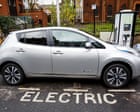
EVs with 90,000 to 120,000 miles on the clock are more likely to pass MOTs than petrol models of the same age
Motorists buying a secondhand car with a lot of miles on the clock are likely to find an electric vehicle (EV) ultimately more reliable than a petrol vehicle, according to a study.
An analysis of 47.4m MOT tests found that after cars were driven 90,000 to 120,000 miles, EVs were about 25% less likely to fail than petrol models of the same age (based on a failure rate of 16.5% versus 22.1%).
Beyond 120,000 miles, 16% of EVs failed, compared with 23.5% of petrol cars. The study found relatively little difference between the two fuel types at lower mileages.
The study by the consultancy New AutoMotive on behalf of the industry group the British Vehicle Rental and Leasing Association (BVRLA) comes as a number of EVs change hands. Many used to belong to company and leasing fleets so have potentially racked up a lot of miles.
Toby Poston, the BVRLA chief executive, said that mileage is “one of the first things people look at when buying a used car, and passing 60,000 or 70,000 miles can have a big impact on how a vehicle is perceived”.
He added: “What this data shows is that mileage alone should not put consumers off. A well-maintained, higher-mileage electric car can be a durable used vehicle.
“That matters because the used market is where the transition to electric becomes accessible to millions more motorists. Giving buyers confidence in these cars will be critical to creating a healthy and affordable secondhand EV market.”
Ben Nelmes, the chief executive of New AutoMotive, which carried out the research, said that high mileage “isn’t a proxy for poor condition in the way buyers have traditionally assumed. The data suggests the mechanical simplicity of an electric drivetrain starts to become increasingly valuable as cars accumulate miles.”
The study also identified areas where electric cars performed worse, tyres. EVs recorded nearly twice as many tyre defects as petrol cars and older, low-mileage electric cars showed increased friction-brake defects. Researchers attributed the latter to corrosion associated with the brakes being used less frequently.
MOT tests examine statutory roadworthiness, including brakes, tyres, suspension, steering and lights, but do not measure battery health, degradation or charging performance. This information would therefore need to be considered alongside mechanical roadworthiness when assessing any used EV, the researchers said.
“This isn’t an argument for buying a used EV without doing your homework,” Poston said. “Buyers should look at its history, condition, tyres and battery health just as they would scrutinise the engine, gearbox and service history of a petrol or diesel car.
“What we can now challenge is the idea that an electric car with 80,000 or 100,000 miles on the clock should automatically be regarded as worn out.”