
Subscribe Sign in

How Nintendo's Game & Watch was inspired by a calculator and boredom

Engadget
1 min read Rewritten in plain language

Nintendo

Show what we removed Rules applied: A1×6 A3×2 A6 A9×3 D2×9 D3×10 F2×6 all 30 rules
  • The Game & Watch set Nintendo up for large success, with the original idea coming from a place.
  • Much of Nintendo's current-day legacy comes down to one man, Gunpei Yokoi, who spearheaded the creation of the Game & Watch.
  • By the late '70s, Nintendo had almost shifted its focus to the video game market, releasing the home consoles TV-Game 6 and TV-Game 15 in 1977, and opening a coin-operated games division in 1979.
  • 1980's Game & Watch: Ball was the first in the lineup, and used a chip that could display 72 segments.
  • In an internal interview, the late long-time Nintendo producer and president Satoru Iwata said, "If it weren't for Game & Watch, today's handheld game systems would probably be different."

5 sentences from our version of the report, chosen to cover it. Nothing here is written; every line is in the article below. How

Headline check

All two things this headline claims are in the report.

Figures, names and quoted words in the headline, looked for in the report itself — not in the summary above. How this is checked

The Game & Watch set Nintendo up for large success, with the original idea coming from a place.

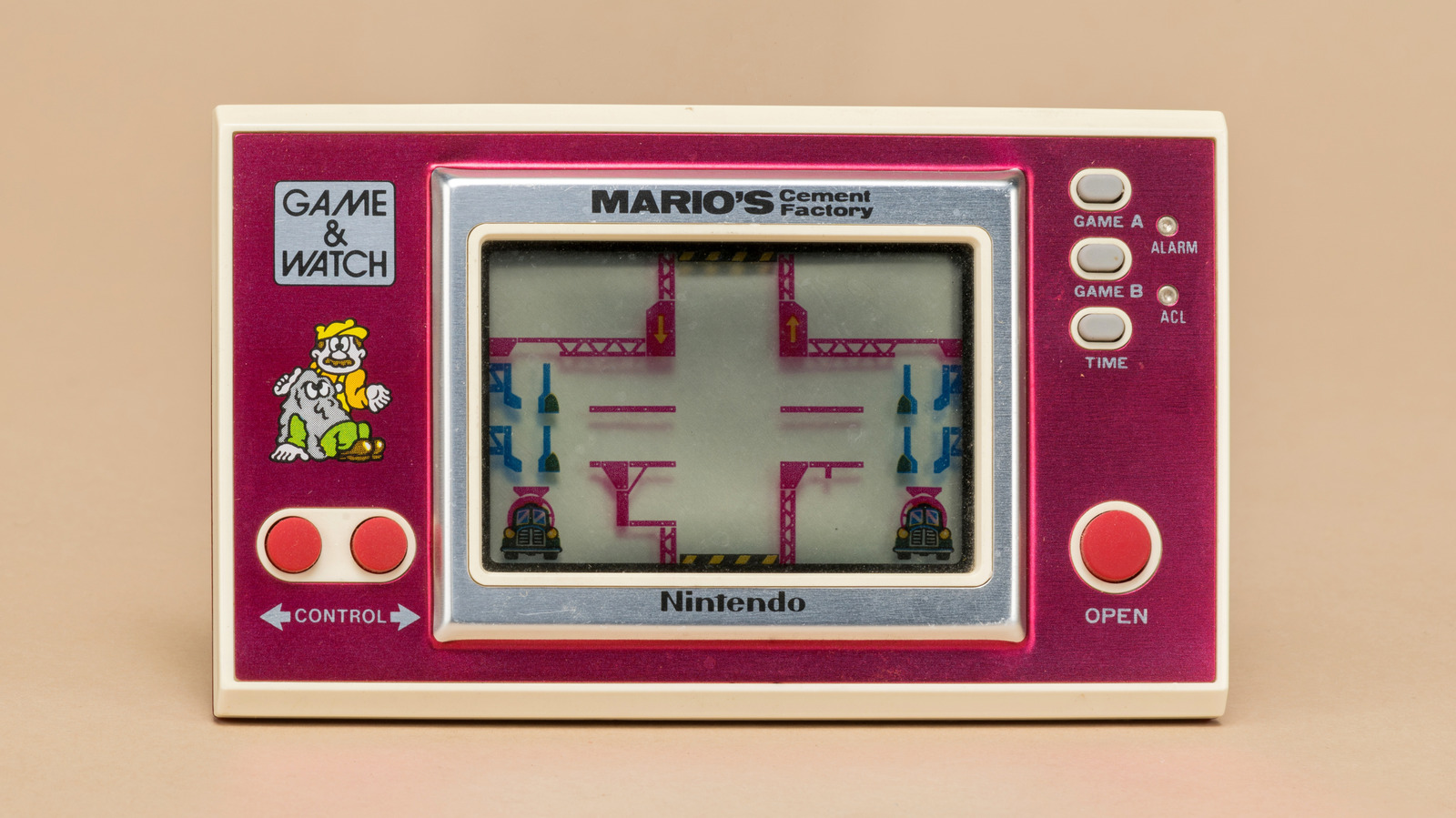
Nintendo is now a company synonymous with video games, but that wasn't always the case. Much of Nintendo's current-day legacy comes down to one man, Gunpei Yokoi, who spearheaded the creation of the Game & Watch. When Yokoi joined the company in 1965, it was floundering.

The stock had recently fallen from 900 yen to just 60, but that would be almost single-handedly turned around by the new hire's innovation.

When it was founded in 1889, Nintendo was a manufacturer of hanafuda playing cards based out of a small operation in Kyoto. In 1966, Yokoi created the Ultra Hand, a reach extender toy, which would go on to sell 1.4 million units worldwide.

By the late '70s, Nintendo had almost shifted its focus to the video game market, releasing the home consoles TV-Game 6 and TV-Game 15 in 1977, and opening a coin-operated games division in 1979.

In a fortuitous coincidence, Yokoi wound up pitching the Game & Watch idea to Nintendo's then-president Hiroshi Yamauchi right before Yamauchi was meeting with the president of Sharp. 1980's Game & Watch: Ball was the first in the lineup, and used a chip that could display 72 segments.

Soon, the team was putting out one Game & Watch title almost every month, releasing 59 total between its inception and 1991.

In an internal interview, the late long-time Nintendo producer and president Satoru Iwata said, "If it weren't for Game & Watch, today's handheld game systems would probably be different."

Shortened to 1 minute of reading, this version reads 11.1 on the Niral Score.

You are reading our version, not theirs. This is Engadget's report shortened to its most important sentences, in plainer words, with verdicts and loaded words taken out. Plain description stays, and so do adjectives that carry a fact, such as "former" or "federal". The reporting, the facts and the quotations are theirs — quotations are never edited — and the indicators beside it measure this version. Hover or tap Adjectives to see every one left in the text.

How this outlet filed it, and how we rewrote it

No other newsroom we read has filed on this event, so there is nothing to compare it with yet.

Outlet Niral ScoreAdjectivesSentimentHappiness
Engadgetas they published this story 18.1 26 0.2 64
Mundane Readneutralized from Engadget 12.8 20 0.2 64

Sign in to react.

Comments

Nothing here yet.

Sign in to comment.

Questions

Readers can ask a question about this story here. Questions and answers are for subscribers. Sign in to read them.

Comments are read before they appear where anything in them needs a person to look. Nothing posted here is ever deleted; a comment taken down keeps its text and the reason, so the decision can be looked at again. How this works