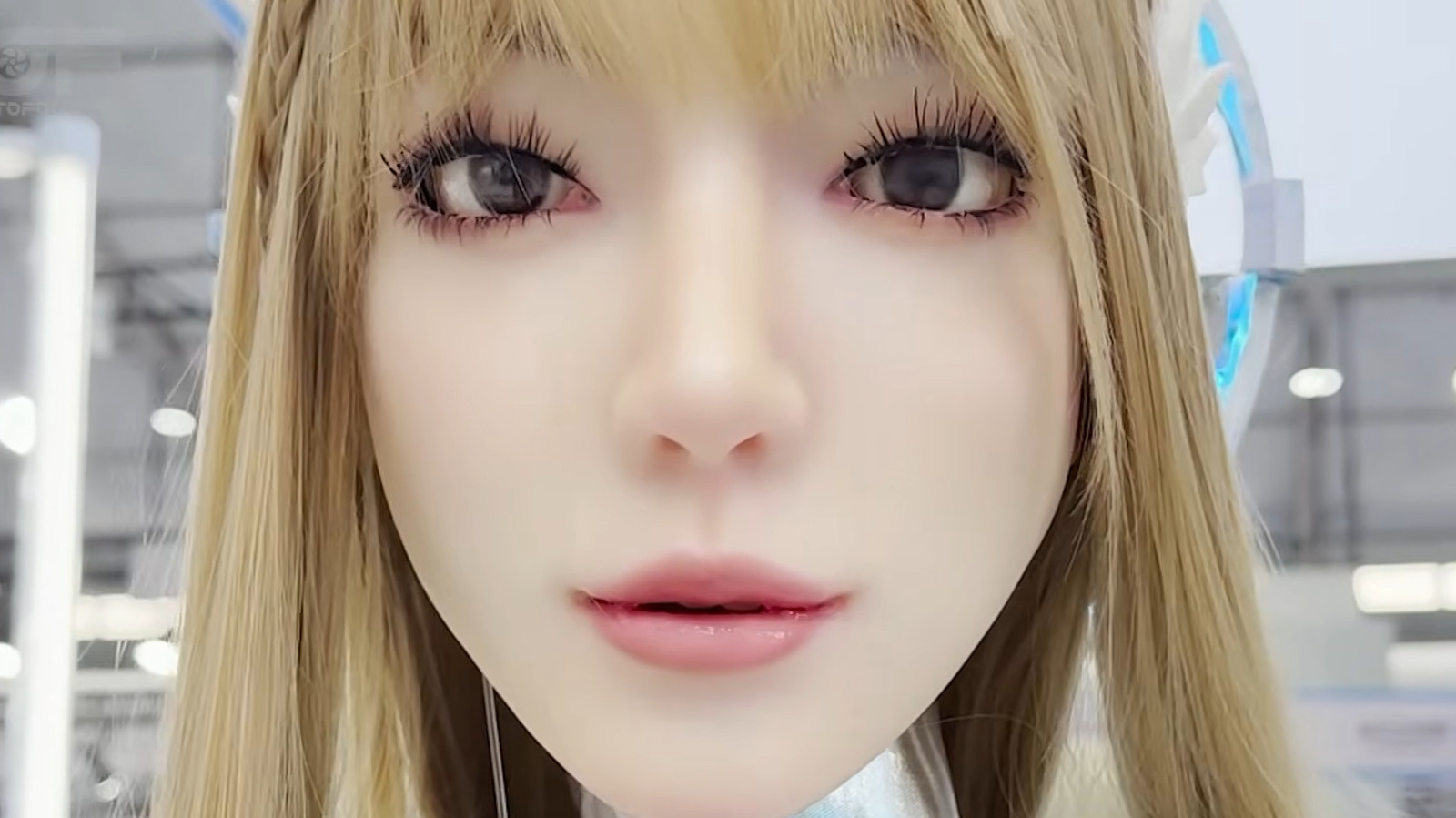
As robots learn to fake feelings, the line between comfort and creepy keeps shrinking.
Today's models can hold conversations, dance and even mimic human facial expressions with unsettling accuracy.
Footage from the 2026 Inclusion Conference in Shanghai shows a demonstrator asking the robot, "Can you shed tears for me?"
The Yansyn-X2 was developed by Yanxi Technology, a Chinese robotics firm based in Ningbo.
At Beijing's second annual World Humanoid Robot Games, the Tiangong Ultra robot ran the 100-meter dash in 9.39 seconds, which beats Usain Bolt's 9.58-second human record.
5 sentences from our version of the report,
chosen to cover it. Nothing here is written; every line is in the article below.
How
Summarized version
Today's models can hold conversations, dance and even mimic human facial expressions with unsettling accuracy. Watching a machine well up with tears sits in the middle of uncanny valley territory — an uncomfortable space where something looks almost human, but not.
Headline check
There is nothing in this headline a machine can check against the report: no figure, no name and no quotation.
As robots learn to fake feelings, the line between comfort and creepy keeps shrinking.
Humanoid robots have come a long way from clunky and monotone machines. Today's models can hold conversations, dance and even mimic human facial expressions with unsettling accuracy. The latest addition to this continuously list is the Yansyn-X2, a robot that made headlines for something no consumer device has done before: crying on command.
Footage from the 2026 Inclusion Conference in Shanghai shows a demonstrator asking the robot, "Can you shed tears for me?"
If you haven't heard of affective computing, you should know it's about teaching machines to recognize, interpret and respond to human emotions. The goal isn't to fool anyone into thinking a robot feels sadness, but to make human-robot interactions feel more natural.
The Yansyn-X2 was developed by Yanxi Technology, a Chinese robotics firm based in Ningbo. According to the company, the robot relies on a three-layer technical architecture to pull off its display. Then, when the system detects sad or empathetic language, it signals bionic components beneath the robot's medical-grade silicone face, shifting its features into a sad expression.
A study published back in 2023 in Frontiers states that researchers found that robots displaying facial expressions matching the tone of a conversation were rated more likable, trustworthy and human-like than robots showing no expression or mismatched ones.
At Beijing's second annual World Humanoid Robot Games, the Tiangong Ultra robot ran the 100-meter dash in 9.39 seconds, which beats Usain Bolt's 9.58-second human record.
Shortened to 1 minute
of reading, this version reads 11.7 on the Niral Score.
You are reading our version, not theirs.
This is Engadget's report shortened to its most important sentences, in plainer words, with
verdicts and loaded words taken out. Plain description stays, and so do adjectives
that carry a fact, such as "former" or "federal". The reporting, the facts and the quotations
are theirs — quotations are never edited — and the indicators beside it measure
this version. Hover or tap Adjectives to see every one left in the text.
How this outlet filed it, and how we rewrote it
No other newsroom we read has filed on this event, so there is nothing to compare it with yet.
Readers can ask a question about this story here.
Questions and answers are for subscribers.
Sign in
to read them.
Comments are read before they appear where anything in them needs a person to look.
Nothing posted here is ever deleted; a comment taken down keeps its text and the reason,
so the decision can be looked at again. How this works
 Engadget