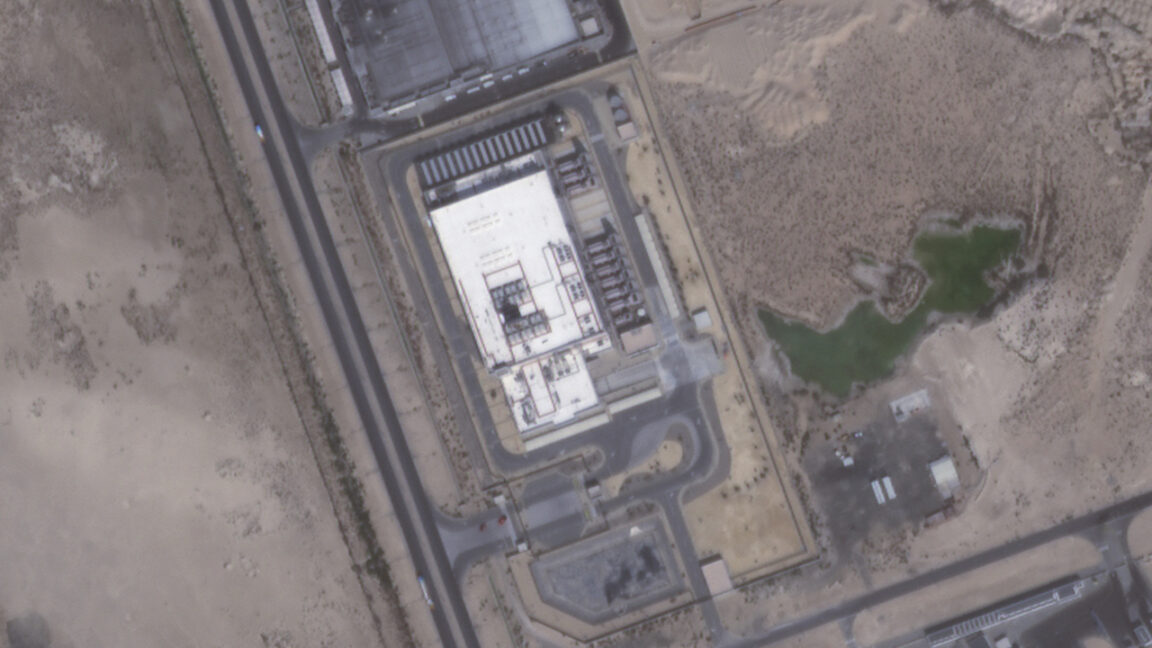
Half a year after Iranian drone strikes knocked out multiple Amazon data centers, the US tech company has acknowledged the permanent loss of some customer data that was hosted in Bahrain and the United Arab Emirates.
Customer data was irretrievably lost in one of three AWS availability zones in the United Arab Emirates region, specifically the mec1-az2 availability zone.
The Iranian drones first struck the Amazon data centers in Bahrain and the United Arab Emirates on March 1 in the opening days of the ongoing war that began with US-Israeli attacks on Iran on February 28.
3 sentences from our version of the report,
chosen to cover it. Nothing here is written; every line is in the article below.
How
Summarized version
The destruction was even more widespread for the data centers in the Bahrain region.
Headline check
The one thing this headline claims is in the report.
Figures, names and quoted words in the headline, looked for in the report itself — not in the summary above. One claim in this headline could be checked, so this is a narrow pass and not a thorough one. How this is checked
The article, shortened and in plain language
Half a year after Iranian drone strikes knocked out multiple Amazon data centers, the US tech company has acknowledged the permanent loss of some customer data that was hosted in Bahrain and the United Arab Emirates.
Amazon Web Services was “unable to restore access to the resources and data” hosted in some of the war-damaged data centers, according to an AWS dashboard update posted on September 15. The development was first reported by Reuters and suggests that the Iranian strikes inflicted damage on the data centers.
Customer data was irretrievably lost in one of three AWS availability zones in the United Arab Emirates region, specifically the mec1-az2 availability zone. Each availability zone is serviced by one or more Amazon data centers.
The company is still working on “recovering regional resources” and restoring resources hosted in the other two availability zones in the United Arab Emirates.
The Iranian drones first struck the Amazon data centers in Bahrain and the United Arab Emirates on March 1 in the opening days of the ongoing war that began with US-Israeli attacks on Iran on February 28.
On July 24, Iran’s Islamic Revolutionary Guard Corps launched yet another strike using missiles that specifically targeted a remaining Amazon data center structure in Bahrain.
Shortened to 1 minute
of reading, this version reads 7.3 on the Niral Score.
You are reading our version, not theirs.
This is Ars Technica's report shortened to its most important sentences, in plainer words, with
verdicts and loaded words taken out. Plain description stays, and so do adjectives
that carry a fact, such as "former" or "federal". The reporting, the facts and the quotations
are theirs — quotations are never edited — and the indicators beside it measure
this version. Hover or tap Adjectives to see every one left in the text.
How this outlet filed it, and how we rewrote it
No other newsroom we read has filed on this event, so there is nothing to compare it with yet.
Readers can ask a question about this story here.
Questions and answers are for subscribers.
Sign in
to read them.
Comments are read before they appear where anything in them needs a person to look.
Nothing posted here is ever deleted; a comment taken down keeps its text and the reason,
so the decision can be looked at again. How this works