Subscribe Sign in

World

Italy bans burqas in schools, caps numbers of foreign students per class

1 min read Rewritten in plain language
Show what we removed Rules applied: A3×2 A6 C2×2 D2×4 D3×2 F2 all 30 rules
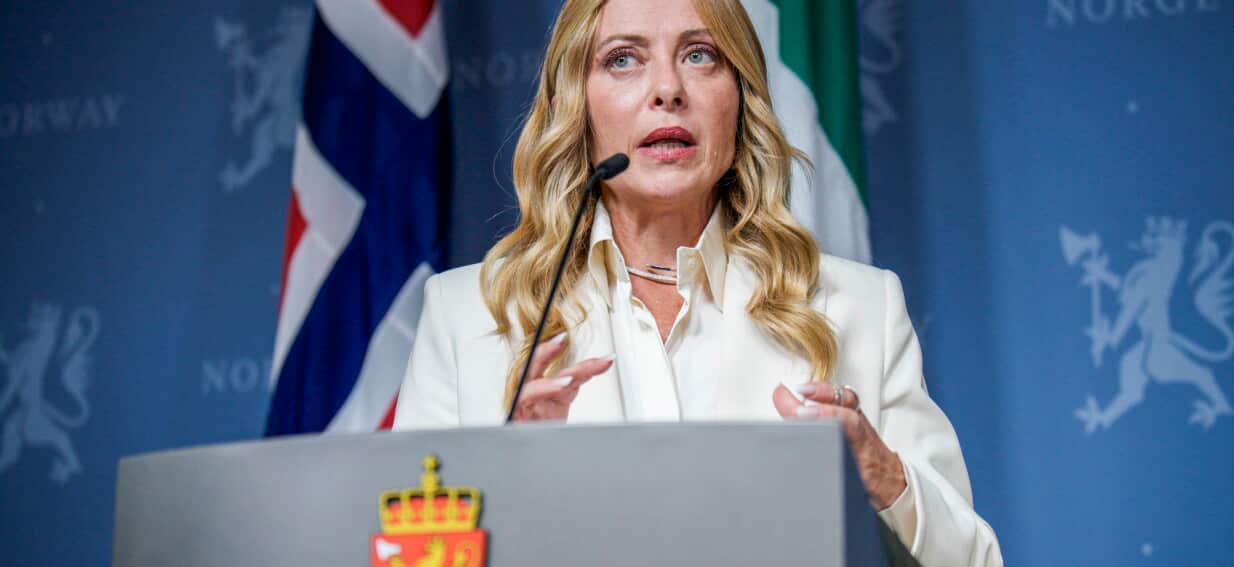
  • Italian Prime Minister Giorgia Meloni's cabinet has adopted a decree law banning burqas and niqabs in schools and capping the number of students with a poor command of Italian per class.
  • Meloni is grappling with the rise of National Future, a party founded in February by former army general Roberto Vannacci and already polling at around 8 per cent, while surveys show her coalition trailing the centre-left bloc.
  • Valditara said there were 34,000 school classes in Italy in which over 30 per cent of the students are foreign.
  • Meloni first unveiled the plans on Sunday at a rally of the youth wing of her Brothers of Italy party, where she also said parents of children who do not speak Italian would be needed to attend language courses.

4 sentences from our version of the report, chosen to cover it. Nothing here is written; every line is in the article below. How

Headline check

There is nothing in this headline a machine can check against the report: no figure, no name and no quotation.

Nothing was measured here, so nothing is claimed. How this is checked

Italian Prime Minister Giorgia Meloni's cabinet has adopted a decree law banning burqas and niqabs in schools and capping the number of students with a poor command of Italian per class.

If a child seriously struggles to integrate at school, social services will be called, and the parents will be obliged to attend free Italian lessons.

Failure to comply will be punished with a fine of up to €1,000.

Meloni is grappling with the rise of National Future, a party founded in February by former army general Roberto Vannacci and already polling at around 8 per cent, while surveys show her coalition trailing the centre-left bloc.

National Future has made schools a central battleground in its campaign advocating "remigration" — the deportation of foreigners to their countries of origin — and has argued that Islamic "contamination" in classrooms harms national identity.

The Save the Children charity has said that forcing children to change schools or enrol in a different institution from their peers because of their nationality or limited proficiency in Italian would "create 'first-class' and 'second-class' students"'first-class' and 'second-class' students.

Valditara said there were 34,000 school classes in Italy in which over 30 per cent of the students are foreign.

The 30 per cent limit on the number of foreign students per class was established in a ministerial memorandum in 2010.

Meloni first unveiled the plans on Sunday at a rally of the youth wing of her Brothers of Italy party, where she also said parents of children who do not speak Italian would be needed to attend language courses.

Shortened to 1 minute of reading, this version reads 7.6 on the Niral Score.

You are reading our version, not theirs. This is SBS News's report shortened to its most important sentences, in plainer words, with verdicts and loaded words taken out. Plain description stays, and so do adjectives that carry a fact, such as "former" or "federal". The reporting, the facts and the quotations are theirs — quotations are never edited — and the indicators beside it measure this version. Hover or tap Adjectives to see every one left in the text.

How this outlet filed it, and how we rewrote it

No other newsroom we read has filed on this event, so there is nothing to compare it with yet.

Outlet Niral ScoreAdjectivesSourcingSentimentHappiness
SBS Newsas they published this story 9.5 8 60 -0.3 67.1
Mundane Readneutralized from SBS News 7.8 8 60 -0.3 67.1

Sign in to react.

Comments

Nothing here yet.

Sign in to comment.

Questions

Readers can ask a question about this story here. Questions and answers are for subscribers. Sign in to read them.

Comments are read before they appear where anything in them needs a person to look. Nothing posted here is ever deleted; a comment taken down keeps its text and the reason, so the decision can be looked at again. How this works