 Engadget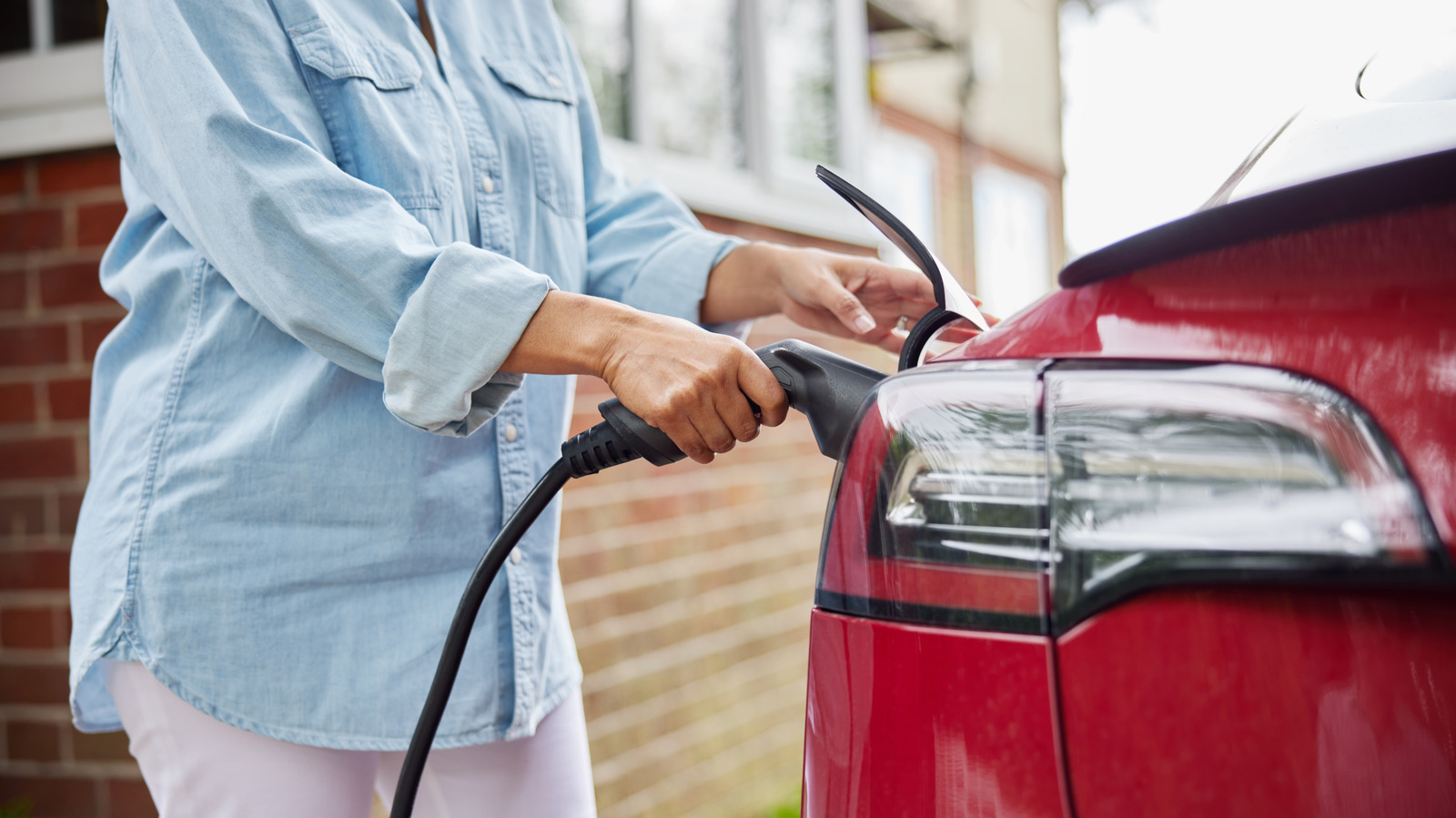
Provided you don't drive long distances every day, Level 1 charging could be all you need.
While the industry has standardized terms like Level 1, Level 2 and Level 3 charging, those labels offer little information on their own.
A Level 1 charger can take more than 40 hours to charge up an EV's battery, while a Level 3 charger can add hundreds of miles to your car's range within a single hour.
A Level 1 EV charger uses the standard 120-volt household outlet in North America, which limits it to about 1.4kW of charging power. Level 2 chargers use 240-volt circuits, typically at higher currents, allowing them to deliver more power. How much more depends on the charger and circuit: A 40-amp Level 2 charger can deliver as much as 9.6kW of power.
Level 2 chargers all the way up to 80A exist too, delivering up to 19.2kW, provided your home's electrical service can support it.
Level 1 and Level 2 chargers supply the grid's alternating current to the EV. With Level 3 charging, the AC-to-DC conversion takes place before it reaches the car, bypassing the onboard charger and delivering high-voltage power directly to the car's battery.
Regardless, Level 3 chargers can be enough to recharge a depleted EV battery in an hour or two. The Lucid Gravity, for instance, can charge at up 400kW if you can find a Level 3 charger that supports that rate.
Some time-of-use plans offer lower or off-peak rates over the weekends, allowing even a Level 1 charger to add mileage if plugged in for a full day.