
Subscribe Sign in

Snap Specs hands on: Standalone AR glasses are here

Engadget
1 min read Rewritten in plain language

Social mediaWearables

  • The $2,195 glasses are Snap's biggest AR bet yet.
  • Specs, the company's first consumer-ready AR glasses are exactly that.
  • Specs come in two sizes: 47 mm and 52 mm.
  • The hand tracking was intuitive and responsive.
  • Certain Specs experiences, like streaming video or navigation, need some kind of connection, which could limit their utility when you don't have Wi-Fi available or don't feel like hotspotting from your phone.

5 sentences from our version of the report, chosen to cover it. Nothing here is written; every line is in the article below. How

Headline check

All two things this headline claims are in the report.

Figures, names and quoted words in the headline, looked for in the report itself — not in the summary above. How this is checked

The $2,195 glasses are Snap's biggest AR bet yet.

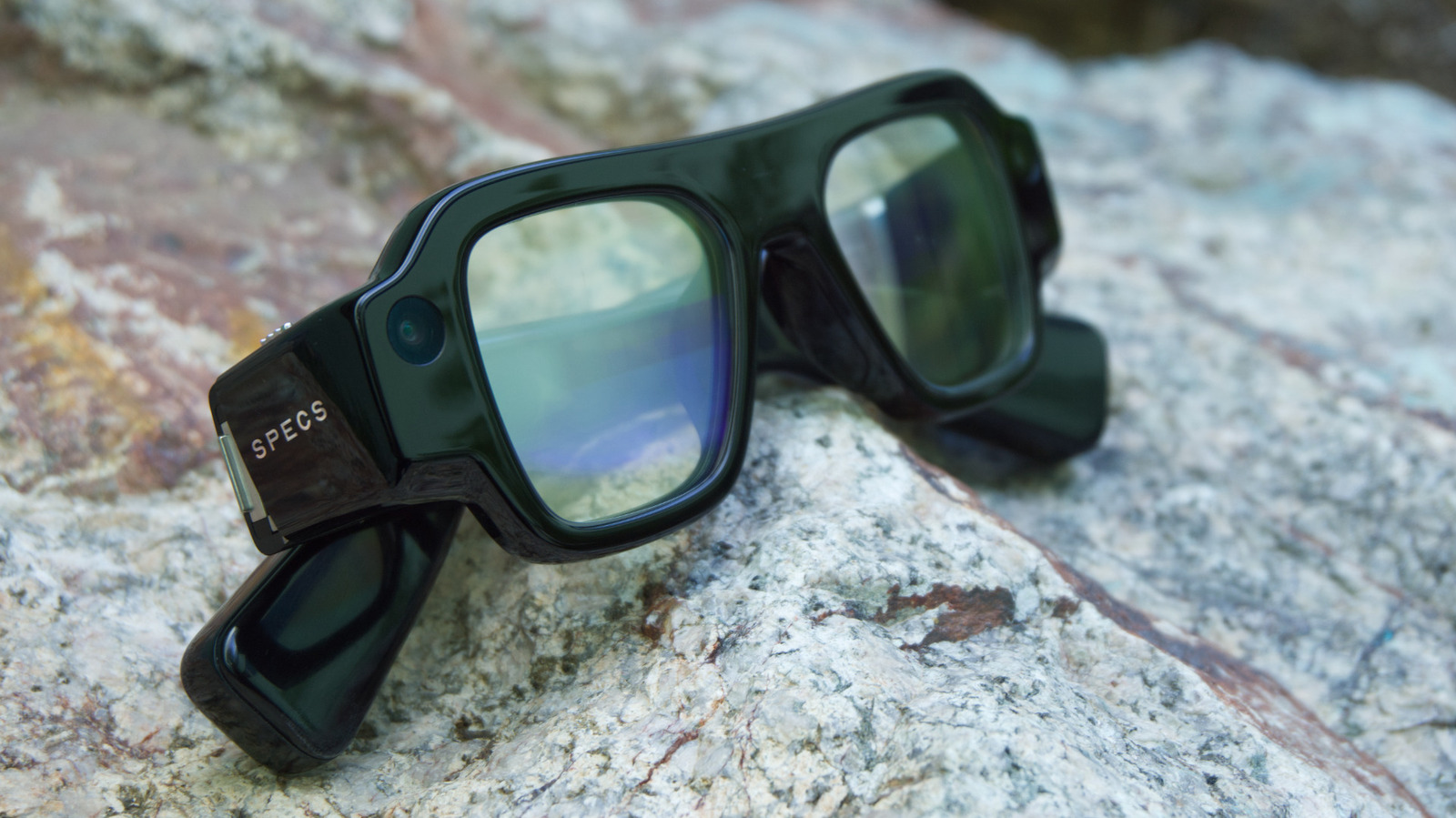
Snap has been experimenting with glasses for a decade and AR-enabled frames for the last five years. Specs, the company's first consumer-ready AR glasses are exactly that.

The $2,195 glasses are able to replicate much of the functionality of a mixed reality headset without a separate puck, controller or tethered connection. The operating system feels more polished than previous versions, and Snap has more apps that feel like they would be useful.

Specs come in two sizes: 47 mm and 52 mm.

Specs also don't feel nearly as heavy as they are.

Specs are equipped with two cameras, which enable the hand-tracking controls. The interface is similar to the last generation: you point with your index finger to move a cursor around the display and pinch your thumb and index finger together to select.

The hand tracking was intuitive and responsive.

One improvement from the last generation of glasses is that the AR content can now "follow" you around as you physically move around your space.

At 51 degrees, it felt big enough to be useful, even though there were still times when content was cut off.

Evan Spiegel has described Specs as a "wearable computer" that's suitable for doing actual work in augmented reality.

Certain Specs experiences, like streaming video or navigation, need some kind of connection, which could limit their utility when you don't have Wi-Fi available or don't feel like hotspotting from your phone.

The $200 case holds up to four more charges, and will enable a standalone cellular connection when on the go.

Shortened to 1 minute of reading, this version reads 12.4 on the Niral Score.

You are reading our version, not theirs. This is Engadget's report shortened to its most important sentences, in plainer words, with verdicts and loaded words taken out. Plain description stays, and so do adjectives that carry a fact, such as "former" or "federal". The reporting, the facts and the quotations are theirs — quotations are never edited — and the indicators beside it measure this version. Hover or tap Adjectives to see every one left in the text.

How this outlet filed it, and how we rewrote it

No other newsroom we read has filed on this event, so there is nothing to compare it with yet.

Outlet Niral ScoreAdjectivesSourcingSentimentHappiness
Engadgetas they published this story 17 42 11 0.1 50
Mundane Readneutralized from Engadget 13.6 38 11 0.0 50

Sign in to react.

Comments

Nothing here yet.

Sign in to comment.

Questions

Readers can ask a question about this story here. Questions and answers are for subscribers. Sign in to read them.

Comments are read before they appear where anything in them needs a person to look. Nothing posted here is ever deleted; a comment taken down keeps its text and the reason, so the decision can be looked at again. How this works