 Engadget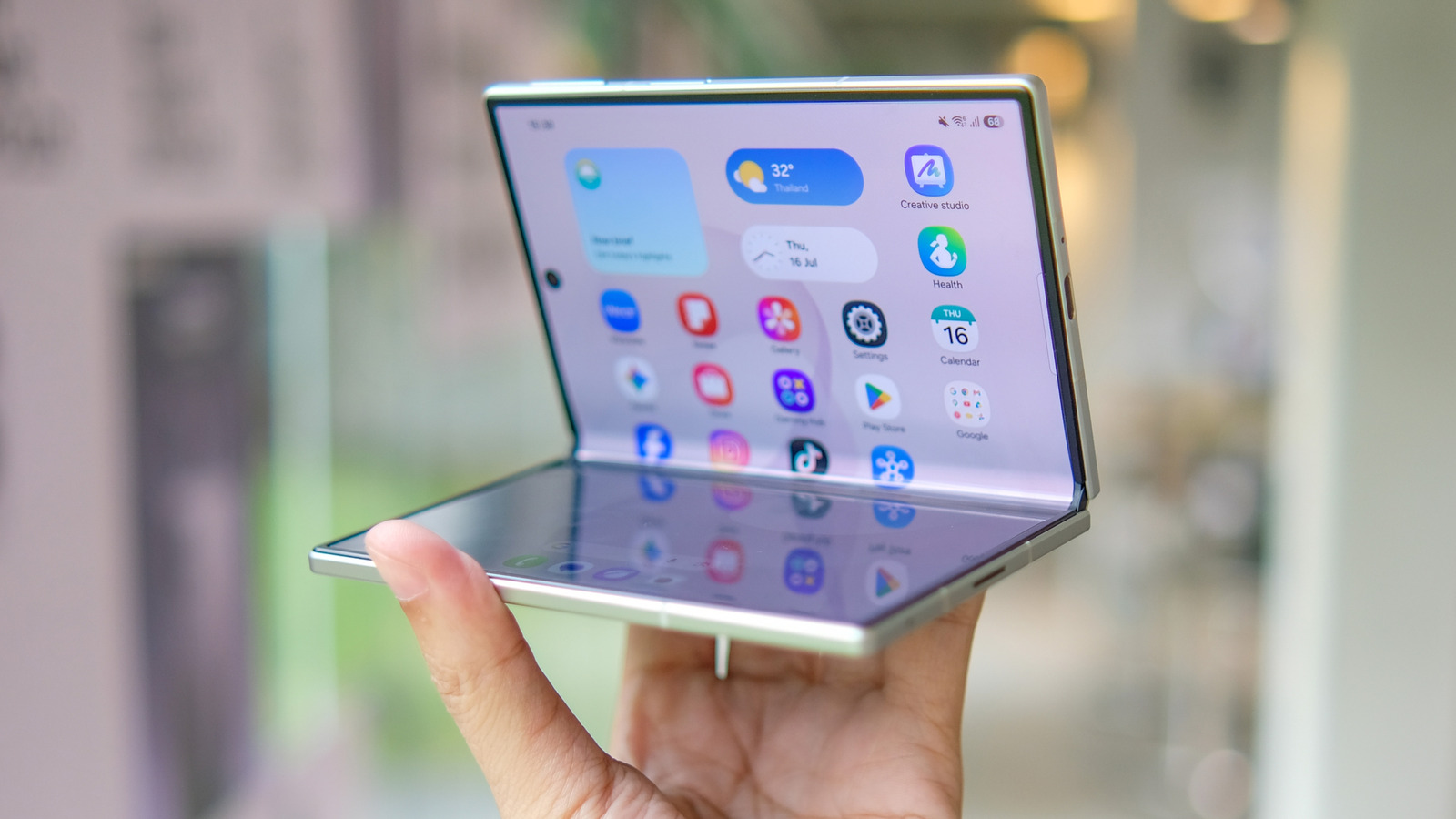
Apple, Google, Samsung — all the big-name manufacturers offer foldable phones, and consumers are growing more curious about them. While the category isn't large, accounting for about 2 percent of the entire smartphone market, they are growing as shoppers decide the features they provide justify their higher price.
To name a few, people like foldables for:.
We'll start with the "Wow" factor. The physical transformation of the device when you fold it out, and the satisfying "snap" as you fold it back again, attract attention and provide unique physical feedback you don't get in standard smartphones.
With displays up to 8 inches, the category provides users with much larger displays in a product they can pocket.
Manufacturers are optimizing the operating systems used by smartphones. App developers are also improving their apps to make use of these unique folding platforms.
Because of how they are constructed, devices are flexible to use — use them folded like a phone, open them out to become a small tablet, half-fold them to deploy them as a mini-laptop or turn the device into a tripod-supported camera for video conferencing, selfies or photography.
For all their versatility, there are several downsides to consider:.
Folding devices are tested for folding resilience but no current models last forever. Some older models display visible creases which look unpleasant and get in the way when using apps.
If you're rough on your devices, rely on apps that don't support folding screens, need better cameras or are price-conscious, a traditional smartphone remains your best bet until foldables close the gap.