Just as twentysomethings are catching up, it’s over.
Take the skull (💀), for example, which has come to be used as a reaction for finding something funny – a visual shorthand for the slang phrase: “I’m dead.”
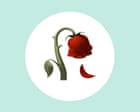
In early 2025, videos started to appear stating that the broken heart emoji was becoming overused and “mainstream”, suggesting the wilting rose as an alternative.
In fact, since the wilting rose’s spike in popularity, some have tried to replace it with the dead battery emoji – but it doesn’t seem to have had the same staying power as the wilting rose.
4 sentences from our version of the report,
chosen to cover it. Nothing here is written; every line is in the article below.
How
Summarized version
In fact, since the wilting rose’s spike in popularity, some have tried to replace it with the dead battery emoji – but it doesn’t seem to have had the same.
The report’s most important sentence, shortened and in plain words. How
Headline check
The one thing this headline claims is in the report.
Figures, names and quoted words in the headline, looked for in the report itself — not in the summary above. One claim in this headline could be checked, so this is a narrow pass and not a thorough one. How this is checked
The article, shortened and in plain language
It was the fastest-growing emoji in 2025 – but if you’re older than 16, it has probably passed you by. Just as twentysomethings are catching up, it’s over.
I n the 2025 hit Netflix show Adolescence, DI Luke Bascombe’s 13-year-old son, Adam, has to explain to his father the way his generation use heart emojis.
Take the skull (💀), for example, which has come to be used as a reaction for finding something funny – a visual shorthand for the slang phrase: “I’m dead.” Or the wilting rose which was, according to Google data analysed by the New York Times, the fastest-growing emoji in terms of popularity in 2025 – and was the 93rd most used. That the before obscure wilting rose is now in the top 100 emojis is thanks to generation Alpha or, to suggest mock-heartbreak.
In early 2025, videos started to appear stating that the broken heart emoji was becoming overused and “mainstream”, suggesting the wilting rose as an alternative.
Using emojis “naively” – in other words, the way most over-30s use them, eg a laughing face to express laughter – is a reason for others to make fun of you.
Aleksic makes a comparison to the film Mean Girls, in which high schooler Gretchen tries to make “fetch” the new cool slang term, only to be told by the school’s queen bee, Regina George, to “stop trying to make ‘fetch’ happen”‘fetch’ happen. In fact, since the wilting rose’s spike in popularity, some have tried to replace it with the dead battery emoji – but it doesn’t seem to have had the same staying power as the wilting rose.
Shortened to 1 minute
of reading, this version reads 7.6 on the Niral Score.
You are reading our version, not theirs.
This is The Guardian Australia (Technology)'s report shortened to its most important sentences, in plainer words, with
verdicts and loaded words taken out. Plain description stays, and so do adjectives
that carry a fact, such as "former" or "federal". The reporting, the facts and the quotations
are theirs — quotations are never edited — and the indicators beside it measure
this version. Hover or tap Adjectives to see every one left in the text.
How this outlet filed it, and how we rewrote it
No other newsroom we read has filed on this event, so there is nothing to compare it with yet.
This story is about a death. Comments are closed on those, because the people closest to it are among the people who read them.
If something here is wrong, tell us — that we do read.