The planet's water cycle is becoming erratic, swinging between too little and too much, the United Nations has said, with an El Niño expected to exacerbate the long-term trend.
Last year was among the driest for the world's rivers in over three decades, the UN's World Meteorological Organization said in a report.
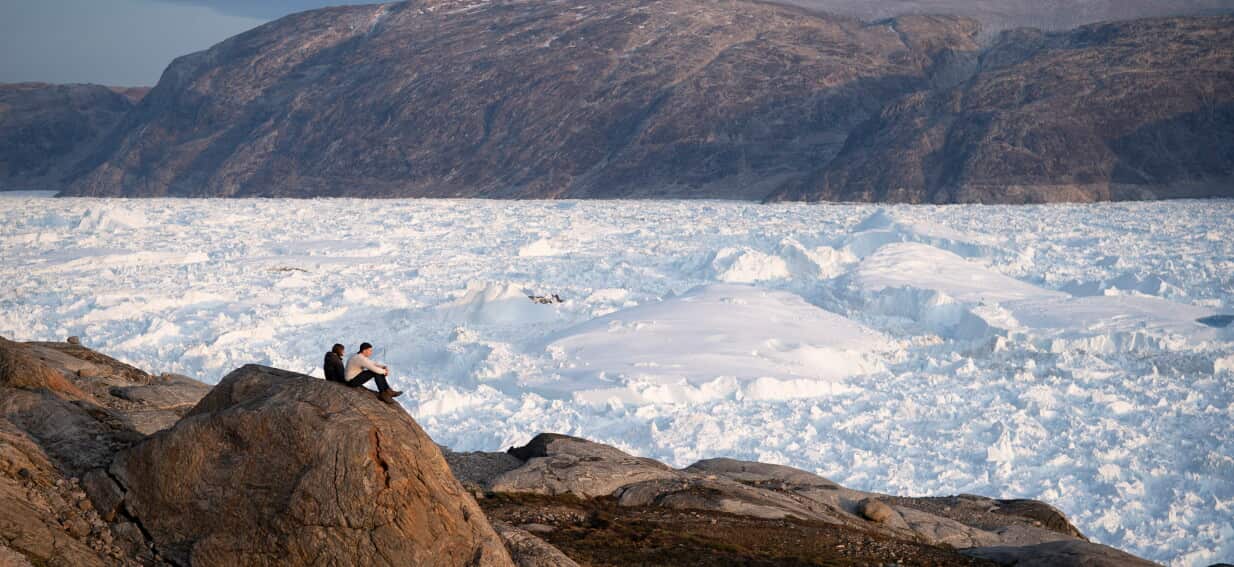
In 2025 glaciers also shrank across all regions, even as groundwater levels in many parts of the world are in multi-year decline, it found.
Overall, the WMO's annual State of Global Water Resources report showed that Earth's freshwater storage — the total amount of water stored in groundwater, lakes and rivers, soil moisture, vegetation, and ice and snow — continued its decade-long decline.
Some elements of the water cycle change rapidly — like precipitation, river flow and soil moisture, responding to weather within days or weeks.
WMO secretary-general Celeste Saulo voiced particular concern about the decline in "slow reserves", like groundwater and glaciers, which she said had traditionally served as the planet's "savings account".
Between 2023 and 2025, the report estimated that glaciers lost a cumulative global glacier mass of 1,400 gigatonnes of water — about equal to the water needed to fill 560 million Olympic-sized swimming pools, or about a third of the world's annual freshwater withdrawals.
Already before El Niño hit, rivers worldwide were showing "abnormal" flows, WMO said, with 2025 among the three driest years for rivers in 35 years.