Last week, The New York Times reported that an internal memo had been quietly distributed across US Fish and Wildlife Service field offices, directing staff to reinterpret the Endangered Species Act in a move that blindsided conservationists.
Stripping that protection could at once threaten not just individual animals but entire populations, as Supreme Court justices acknowledged in 1995 when it was first ruled that the ESA prohibited harm by preventing the modification of habitats.
According to the Times, Trump is so intent on flipping the ESA that the dissent in that 1995 ruling is now serving as the “blueprint” for how his FWS plans to enforce the law.
The majority rejected that logic, and they did so based not on an interpretation of the secretary’s authority under the law but on a textual reading of the law, Patrick Parenteau, an emeritus professor at the Vermont Law and Graduate School, told the Times.
4 sentences from our version of the report,
chosen to cover it. Nothing here is written; every line is in the article below.
How
Summarized version
The more recent rule change goes much further, allowing the animals to be killed as long as that’s not the landowners’ motivation for taking an action. In his dissent, Scalia argued the ESA was written to prohibit the intentional hunting and killing of vulnerable animals, not to broadly protect species at the population level.
Headline check
All two things this headline claims are in the report.
Figures, names and quoted words in the headline, looked for in the report itself — not in the summary above. How this is checked
The article, shortened and in plain language
Last week, The New York Times reported that an internal memo had been quietly distributed across US Fish and Wildlife Service field offices, directing staff to reinterpret the Endangered Species Act in a move that blindsided conservationists.
Instead of prohibiting habitat changes that injure animals or cause accidental deaths, the ESA will now only prohibit actions “specifically intending to target an animal,” FWS Director Brian Nesvik instructed staff in the September 14 memo.
Stripping that protection could at once threaten not just individual animals but entire populations, as Supreme Court justices acknowledged in 1995 when it was first ruled that the ESA prohibited harm by preventing the modification of habitats.
At least one judge weighing the 1995 case characterized the secretary’s reading as “a proper application” of the Chevron doctrine, the majority noted in their opinion.
According to the Times, Trump is so intent on flipping the ESA that the dissent in that 1995 ruling is now serving as the “blueprint” for how his FWS plans to enforce the law.
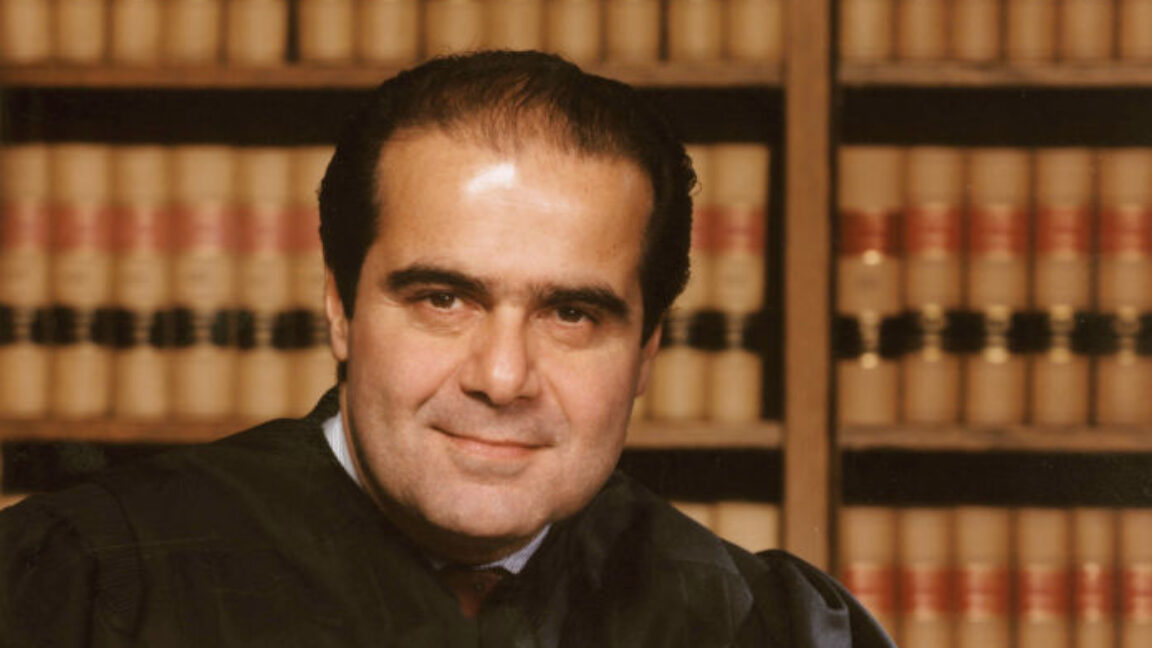
Penned by the late Justice Antonin Scalia, the dissent takes jabs at threatened slugs for not having feelings while envisioning a world where the ESA has nothing to do with protecting endangered populations and the government can do little to prevent accidental deaths.
The majority rejected that logic, and they did so based not on an interpretation of the secretary’s authority under the law but on a textual reading of the law, Patrick Parenteau, an emeritus professor at the Vermont Law and Graduate School, told the Times.
Shortened to 1 minute
of reading, this version reads 4.7 on the Niral Score.
You are reading our version, not theirs.
This is Ars Technica's report shortened to its most important sentences, in plainer words, with
verdicts and loaded words taken out. Plain description stays, and so do adjectives
that carry a fact, such as "former" or "federal". The reporting, the facts and the quotations
are theirs — quotations are never edited — and the indicators beside it measure
this version. Hover or tap Adjectives to see every one left in the text.
How this outlet filed it, and how we rewrote it
No other newsroom we read has filed on this event, so there is nothing to compare it with yet.
This story is about a death. Comments are closed on those, because the people closest to it are among the people who read them.
If something here is wrong, tell us — that we do read.