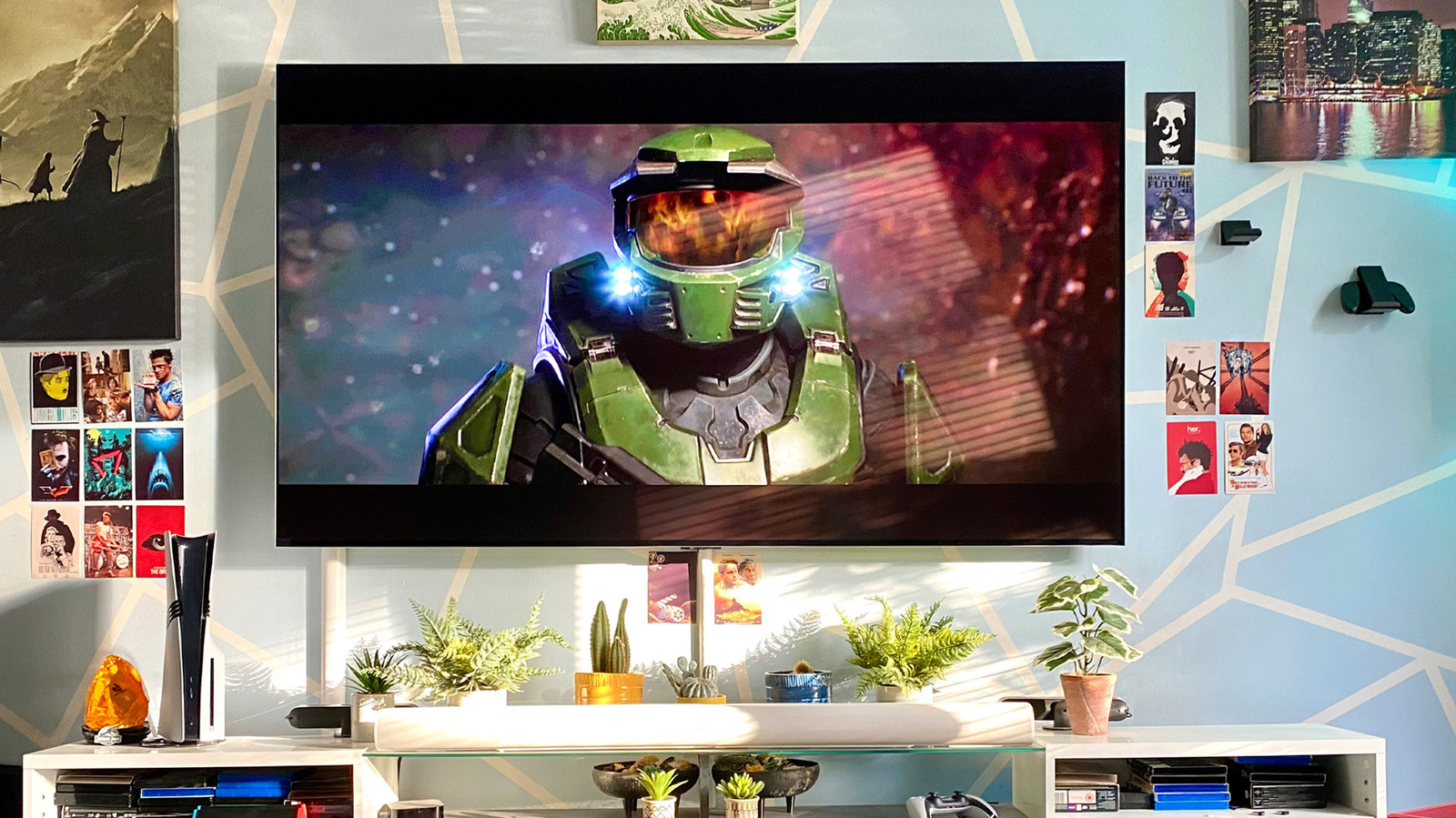
A good way to judge the viewing distance for the best budget TVs is to follow the 30-degree rule.
Of course, that hasn't stopped the Society of Motion Picture and Television Engineers from forming some strong thoughts on the matter.
With a 55-inch screen that equates to seven feet four inches, for 75 inches that's ten feet, and with 85-inch TVs you should place yourself around 11 feet four inches away from that large panel.
If you're looking for a more cinematic or immersive experience, sitting at an angle where the TV fills 40-degrees of your field of view is recommended — that's 1.2 times the diagonal size of the screen.
The large majority of casual TV viewers aren't suddenly going to rearrange their living rooms for the 30-degree rule.
5 sentences from our version of the report,
chosen to cover it. Nothing here is written; every line is in the article below.
How
Summarized version
There's also the 62-degree rule. If you want to cane your corneas by following the 62-degree rule, by all means place yourself just 4.6 ft away from that 65-inch screen.
Headline check
The one thing this headline claims is in the report.
Figures, names and quoted words in the headline, looked for in the report itself — not in the summary above. One claim in this headline could be checked, so this is a narrow pass and not a thorough one. How this is checked
The article, shortened and in plain language
A good way to judge the viewing distance for the best budget TVs is to follow the 30-degree rule. Follow this advice and you should ensure you're never straining at your TV again.
Of course, that hasn't stopped the Society of Motion Picture and Television Engineers from forming some strong thoughts on the matter. As reported by RTings, the SMPTE believes you should sit at a distance where your TV's screen takes up a minimum 30-degree field of view when watching general content. With a 55-inch screen that equates to seven feet four inches, for 75 inches that's ten feet, and with 85-inch TVs you should place yourself around 11 feet four inches away from that large panel.
The SMPTE also makes a case for the 40-degree rule. If you're looking for a more cinematic or immersive experience, sitting at an angle where the TV fills 40-degrees of your field of view is recommended — that's 1.2 times the diagonal size of the screen.
Then by all means sit a 5.9 ft from that 85-inch TV you just picked up.
If you want to know the ideal viewing distance should you own this size of panel, let's quickly break down distances depending on which rule of degrees you approve of. Then plop yourself down about 6.5 feet away.
The large majority of casual TV viewers aren't suddenly going to rearrange their living rooms for the 30-degree rule.
With certain types of TVs, sitting at an overly close distance can heighten flaws with panel quality.
Shortened to 1 minute
of reading, this version reads 13 on the Niral Score.
You are reading our version, not theirs.
This is Engadget's report shortened to its most important sentences, in plainer words, with
verdicts and loaded words taken out. Plain description stays, and so do adjectives
that carry a fact, such as "former" or "federal". The reporting, the facts and the quotations
are theirs — quotations are never edited — and the indicators beside it measure
this version. Hover or tap Adjectives to see every one left in the text.
How this outlet filed it, and how we rewrote it
No other newsroom we read has filed on this event, so there is nothing to compare it with yet.
Readers can ask a question about this story here.
Questions and answers are for subscribers.
Sign in
to read them.
Comments are read before they appear where anything in them needs a person to look.
Nothing posted here is ever deleted; a comment taken down keeps its text and the reason,
so the decision can be looked at again. How this works
 Engadget