 Engadget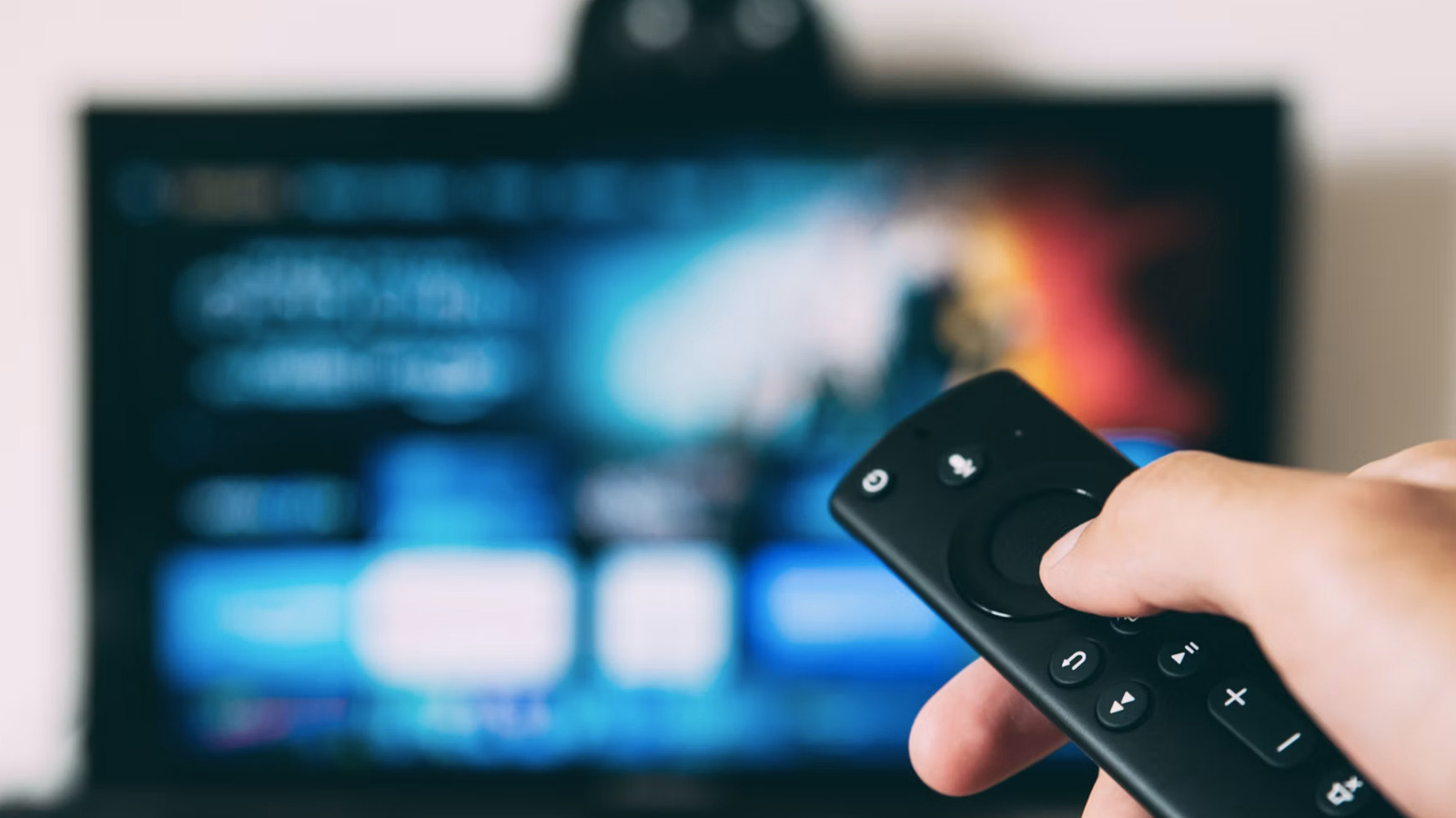
Smart TVs and standalone streaming devices, like Roku, Fire TV Stick and Chromecast, much do the same thing.
There are several reasons why adding a streaming device to a smart TV can be a good idea.
Smart TVs are not all created equal. Companies like Amazon, Google and Roku license their software to many different manufacturers. Some of these sets can technically get the job done, but they'll be sluggish.
People can circumvent this issue with a streaming device. Newer models typically include fresh operating systems that have been designed with speed and efficiency in mind. Older streamers will likely be slow, just like old TVs.
It's a lot cheaper to replace a streaming device than an entire television.
Nothing ruins a cozy night in like a smart TV that keeps crashing whenever booting up Netflix.
Having a streaming device on hand for backup can solve this issue. The processors in a TV have to handle all kinds of stuff beyond streaming. A streaming box or dongle only does one thing, and that's stream content.
Ads are omnipresent in the modern world, but this is doubly true with smart TVs. Samsung has been integrating marketing content into its televisions since 2016, and the large majority of sets from brands like Amazon, Roku and TCL show ads in places.
It's not as if streaming devices are immune to ad content. There tend to be more ad-free streaming boxes than smart TVs.
Most plug-and-play streaming devices include integrated storage of some kind, and many can be connected to a standalone hard drive.