 Engadget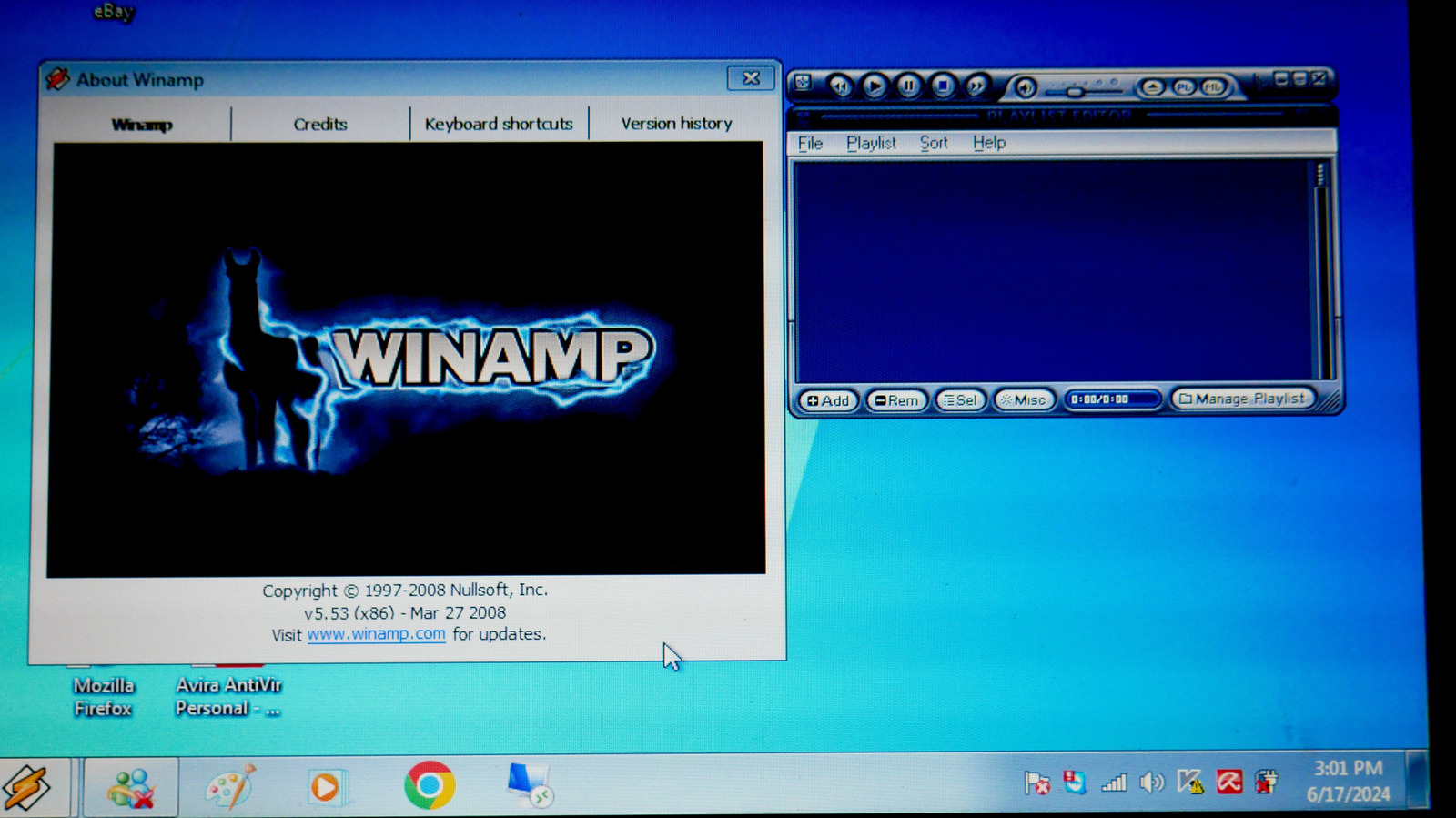
The MP3 era’s favorite player returns with a monthly subscription.
Winamp, the skinnable MP3 player that ruled Windows desktops in the pre-streaming era, is making a comeback next year, but not as you know it. In a partnership with Deezer, Winamp will be reborn as a new player with its own premium subscription service, with Deezer providing the white-label streaming technology and licensed catalog.
According to the official announcement, the new player will add that subscription alongside local files, Internet radio, podcasts and cloud-stored music libraries. The new player will sit alongside the classic desktop app rather than replace it: Winamp claims the original still has more than 40 million active users worldwide, and the same Deezer-powered subscription will be added after launch.
Deezer reported a decline in new subscriptions from partner deals in its first half 2026 financial results. They fell to 3.1 million, down some 800,000 year over year based on some quick math. Revenue from that partnerships segment dropped 7.6 percent to 70.7 million euros as a bundling deal with LATAM retail giant Mercado Libre wound down. Deezer told investors in April that rebuilding this side of the business through white-label deals is a stated strategic priority, with recent segments covering Telenor and French energy supplier EDF.
Deezer signed the Winamp deal on July 1, weeks before the official announcement, and presented it to investors as part of its revamped Deezer for Business program. This white-label arrangement will see Deezer running the streaming infrastructure and supplying the catalog, while Winamp retains full ownership of the core product, its branding and subscriber relationship. Each side brings what the other needs, since Winamp has no music licenses and no streaming infrastructure, while Deezer gets the biggest brand yet to plug into its white-label program.
Alexandre Saboundjian, then CEO of Winamp owner Radioomy and now CEO of Winamp Group, told TechCrunch in October 2018 that a new Winamp would launch the following year. He said "a more complete listening experience" spanning home, MP3s, cloud libraries, podcasts and streaming radio stations. That streaming-friendly revival planned for 2019 never came. The plan was reliant on pulling third-party streaming services into a single app, an approach that would've required integration deals Winamp never announced. The 2027 Deezer-Winamp partnership sidesteps that problem by bundling Winamp's service with Deezer's licensing and streaming infrastructure on day one.
We did eventually see a refreshed version of your parents' favorite MP3 software three years later in 2022, followed by a rocker stretch of brand stewardship. Winamp published the classic player's source code on GitHub in September 2024 under a custom license that initially barred anyone from distributing forks. The entire repo was deleted a few weeks later, after the license attracted sustained criticism and proprietary code belonging to Dolby and Microsoft was found.
Winamp hasn't provided any details on pricing or supported platforms yet, despite promising a subscription model that's "fundamentally different" from today's streaming services. The press release commits to a customizable interface, social features and new tools for discovering and organizing music, with more product previews promised in the coming months.
For the first time in its near 30-year history, Winamp will be offering a premium subscription. Should the Deezer partnership prove successful, it'll be the rebound for a service that AOL had planned to shut down in 2013 before selling it off to Radionomy.