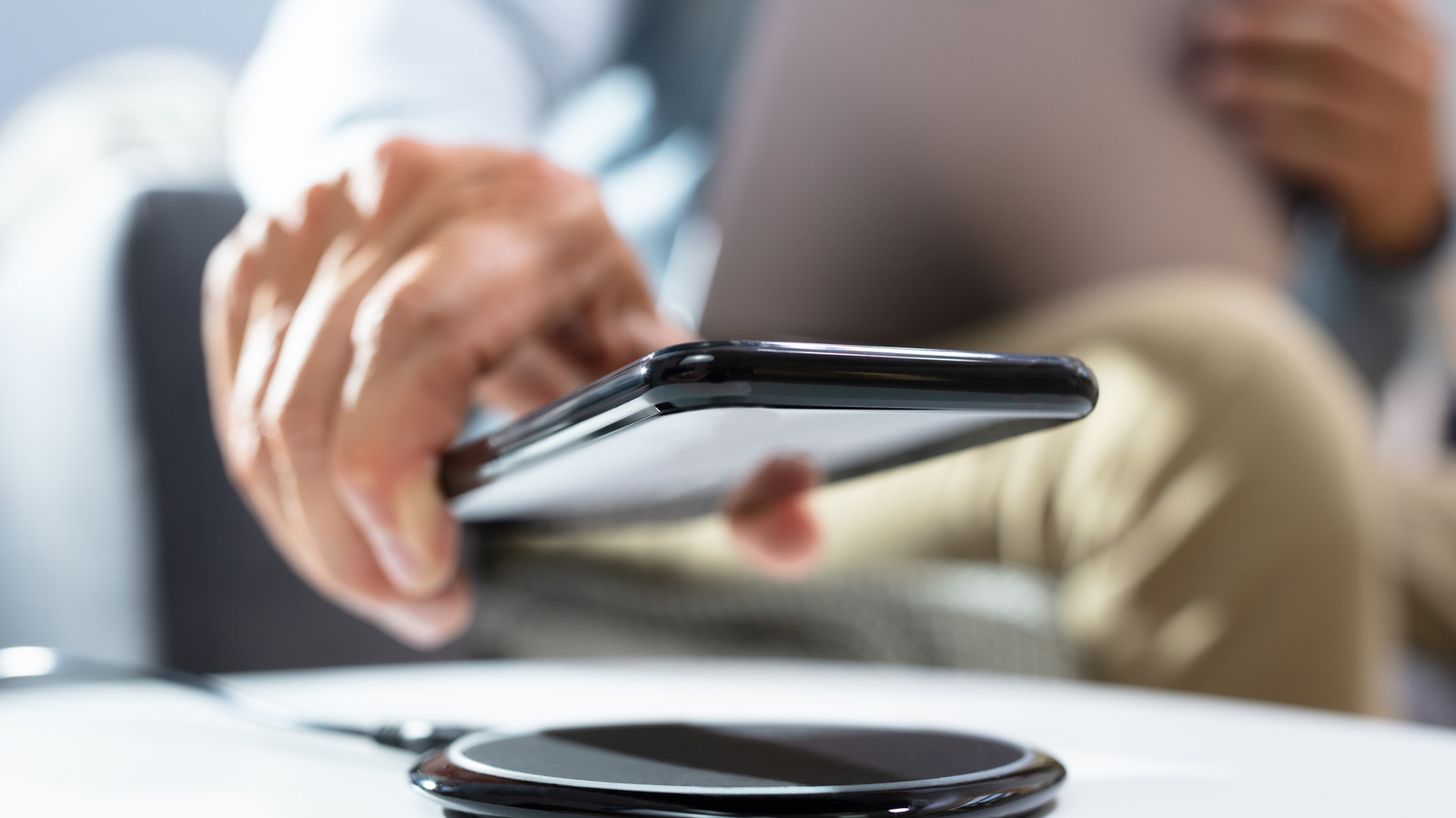
The short answer to both is yes, but for most people, the optimal balance between convenience and better battery life is to use wireless charging for battery top-ups during the day and leave wired charging for overnight power-ups.
Wireless charging takes more steps to do the same thing.
You should use a Qi-certified wireless charging system from a trusted manufacturer, because noncompliant or poorly manufactured systems can overheat.
Apple's iPhone 18 Pro reaches up to 50 percent battery life in 15 minutes using a 60W-capable adapter and USB-C cable, but the same process takes 30 minutes with a Qi2 wireless charger.
For speed and efficiency, wired charging is best for battery health.
5 sentences from our version of the report,
chosen to cover it. Nothing here is written; every line is in the article below.
How
Summarized version
The energy that doesn't make it has to go somewhere warming your charger and your phone. Where it wins for most of us is ease of use, with 88 percent of smartphone users satisfied with their Qi2 charging device, according to the WPC.
Headline check
There is nothing in this headline a machine can check against the report: no figure, no name and no quotation.
The short answer to both is yes, but for most people, the optimal balance between convenience and better battery life is to use wireless charging for battery top-ups during the day and leave wired charging for overnight power-ups.
When you charge up your smartphone using a cable and power adapter, energy flows from the source through the adapter straight to your phone.
Wireless charging takes more steps to do the same thing. The charging pad pushes electricity around an internal wire coil that magnetically passes energy across to a similar coil inside your phone.
You should use a Qi-certified wireless charging system from a trusted manufacturer, because noncompliant or poorly manufactured systems can overheat. To prevent unsafe heat buildup while charging, Qi-compatible smartphones and devices work together to adjust current and voltage while the process is taking place.
Driven by the standard, manufacturers are improving their support for wireless charging. Apple's iPhone 18 Pro reaches up to 50 percent battery life in 15 minutes using a 60W-capable adapter and USB-C cable, but the same process takes 30 minutes with a Qi2 wireless charger.
Good smartphones do possess built-in power management and can safely be left connected to power overnight.
For speed and efficiency, wired charging is best for battery health.
Shortened to 1 minute
of reading, this version reads 15.1 on the Niral Score.
You are reading our version, not theirs.
This is Engadget's report shortened to its most important sentences, in plainer words, with
verdicts and loaded words taken out. Plain description stays, and so do adjectives
that carry a fact, such as "former" or "federal". The reporting, the facts and the quotations
are theirs — quotations are never edited — and the indicators beside it measure
this version. Hover or tap Adjectives to see every one left in the text.
How this outlet filed it, and how we rewrote it
No other newsroom we read has filed on this event, so there is nothing to compare it with yet.
Readers can ask a question about this story here.
Questions and answers are for subscribers.
Sign in
to read them.
Comments are read before they appear where anything in them needs a person to look.
Nothing posted here is ever deleted; a comment taken down keeps its text and the reason,
so the decision can be looked at again. How this works
 Engadget