Back then, a 800 V architecture had only been seen in expensive high-end EVs from Porsche, but here was a model with that same technology—and even faster fast-charging, taking just 18 minutes to go from 10–80 percent.
The AWD version has an EPA range of 269 miles versus 318 miles for the rear-wheel drive variant.
Hyundai issued a recall in December 2024 and, at the time, said that 1 percent of vehicles were likely affected.
3 sentences from our version of the report,
chosen to cover it. Nothing here is written; every line is in the article below.
How
Summarized version
Single-motor Ioniq 5s should be capable of 4 miles/kWh or more. Having 49 miles more range would, of course, mean a little longer behind the wheel between charging stops.
The report’s most important sentence, shortened and in plain words. How
Headline check
All two things this headline claims are in the report.
Figures, names and quoted words in the headline, looked for in the report itself — not in the summary above. How this is checked
The article, shortened and in plain language
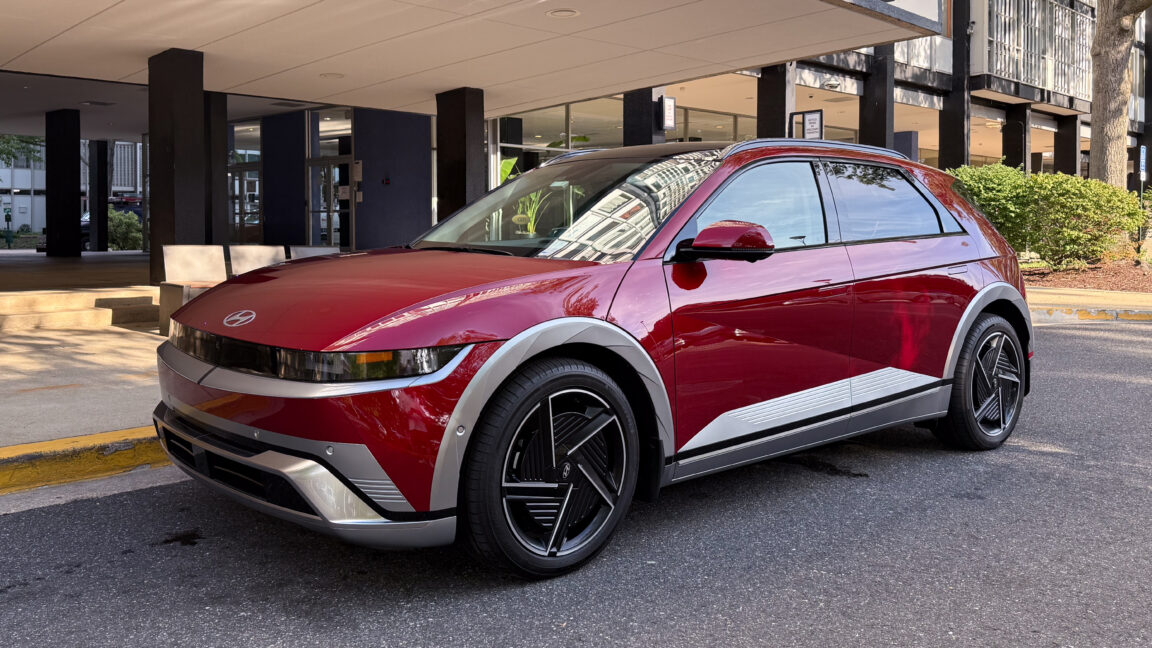
When we first drove the Hyundai Ioniq 5 at the end of 2021, it didn’t take much exposure to the angular electric vehicle to find much about it appealing. Back then, a 800 V architecture had only been seen in expensive high-end EVs from Porsche, but here was a model with that same technology—and even faster fast-charging, taking just 18 minutes to go from 10–80 percent. The retro looks didn’t hurt either, channeling the boxy hatches styled by Giorgetto Giugiaro in the 1970s and ’80s. But five years is a long time in the car world, and the compact electric crossover segment is far more competitive than it was when the Ioniq 5 debuted.
We figured it was worth spending some more time with one to see how it still stacks up.
The AWD version has an EPA range of 269 miles versus 318 miles for the rear-wheel drive variant.
Single-motor Ioniq 5s should be capable of 4 miles/kWh or more. Having 49 miles more range would, of course, mean a little longer behind the wheel between charging stops, should one happen to be on a road trip or dependent upon public fast-chargers, but even with a larger pack, the 2026 Ioniq 5 still fast-charges plenty fast. The native NACS port means the Ioniq 5 can charge at Tesla Superchargers as well as other networks, like IONNA and Electrify America.
Hyundai issued a recall in December 2024 and, at the time, said that 1 percent of vehicles were likely affected.
Shortened to 1 minute
of reading, this version reads 11.2 on the Niral Score.
You are reading our version, not theirs.
This is Ars Technica's report shortened to its most important sentences, in plainer words, with
verdicts and loaded words taken out. Plain description stays, and so do adjectives
that carry a fact, such as "former" or "federal". The reporting, the facts and the quotations
are theirs — quotations are never edited — and the indicators beside it measure
this version. Hover or tap Adjectives to see every one left in the text.
How this outlet filed it, and how we rewrote it
No other newsroom we read has filed on this event, so there is nothing to compare it with yet.
Readers can ask a question about this story here.
Questions and answers are for subscribers.
Sign in
to read them.
Comments are read before they appear where anything in them needs a person to look.
Nothing posted here is ever deleted; a comment taken down keeps its text and the reason,
so the decision can be looked at again. How this works