Between 2000 and 2018, extreme heat caused more deaths in Australia than all our bushfires, floods, storms and cyclones combined.
B ack in April 2004, in the shadow of the previous European summer, I started work at Downing Street advising the British prime minister on climate change. The 2003 heatwave had killed an estimated 70,000 people across Europe. Many were older people, in homes and neighbourhoods ill-equipped for prolonged heat.
The question was not the temperature, but whether people could work, sleep or remain safely at home.
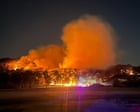
By summer, 42,000 hectares around Gironde and Arcachon surrounding the city had burned. France experienced its worst fires since 1949.
In June, during the Tour de Suisse, the Italian champion cyclist Elisa Longo Borghini suffered heatstroke.
Europe’s warning is relevant to every Australian city.
Extreme heat is not merely uncomfortable weather. Yet it remains under-recognised because it leaves little visible destruction and its effects are often recorded as heart, kidney or respiratory illness rather than heat itself.
Older people, those living alone, people with chronic illness, outdoor workers and people in poorly cooled homes are more exposed. Staying hydrated must be a habit throughout a hot day, not an afterthought when work is finished.
We should challenge the idea that a cold beer is enough to manage the impact of hard physical labour in heat.
Our Heat Stress Spotlight Report identifies a gap.
Resilient Sydney has helped place heat resilience on the public agenda, including through the Greater Sydney Heat Smart City Plan.