 Engadget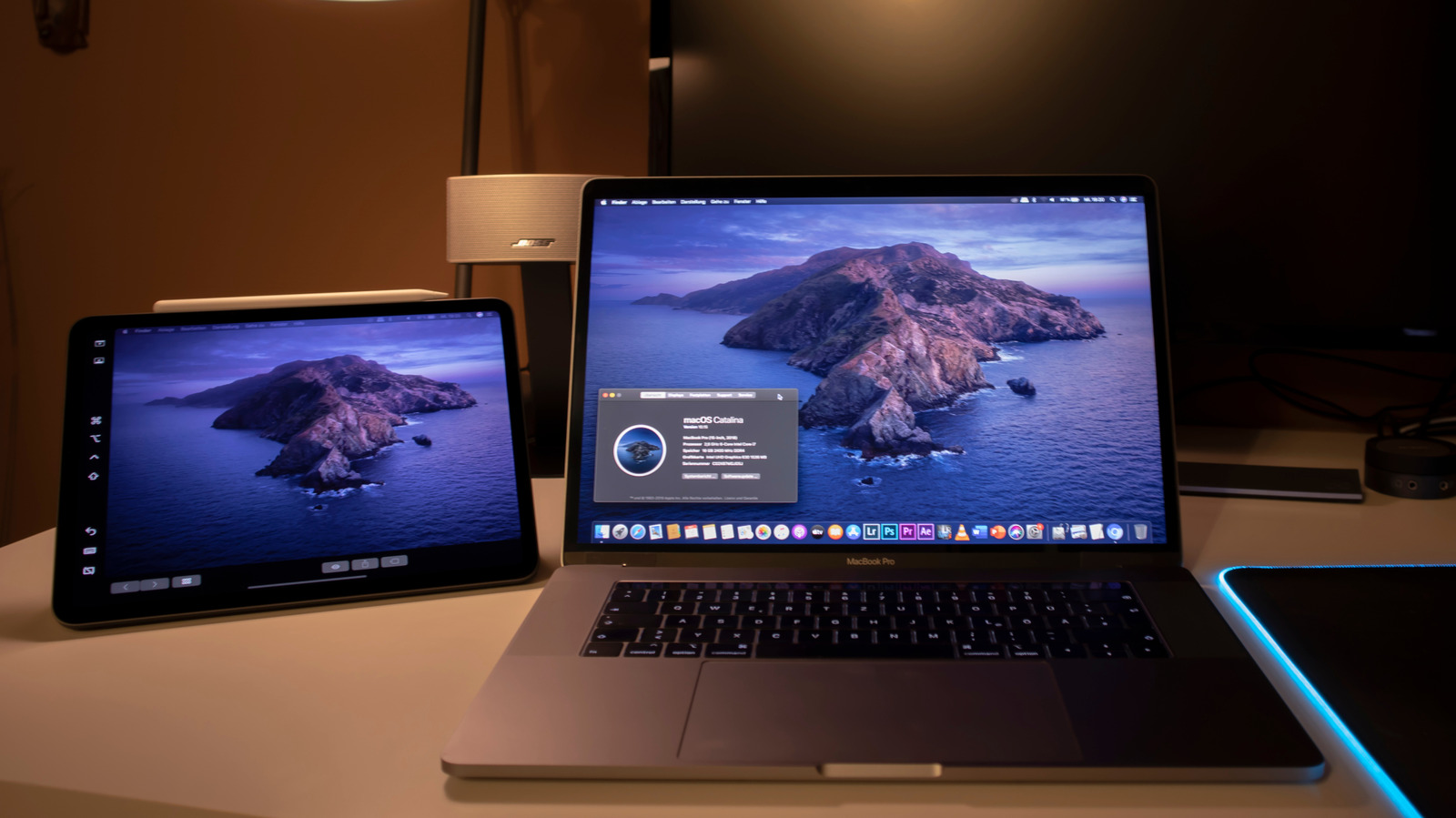
Your iPad can give your Mac or PC some much-needed extra screen space.
Portable displays can be useful for boosting your productivity on the go, and your iPad can pull double duty as one. Maybe you're working from a coffee shop or traveling, and all you have with you is your Mac and iPad. From third-party apps to Apple's own solution, there are many ways to turn your iPad into a monitor.
Sidecar is the simplest route, but there are a few requirements you need to meet. The most important one is having a Mac. Windows users are out of luck here, although there are alternatives in that case.
If your iPad and Mac are already signed in to the same account, using Sidecar is easy. Look for Screen Mirroring, the two overlapping squares, in the list. Choose your iPad, and it turns into a secondary display for your Mac.
You can even go to the Display settings under System Settings to rearrange the iPad's screen however you like.
IPad and Mac users also have access to Universal Control. Instead of turning the iPad into an external display, the idea is to use inputs from one device to control the other. Move the Mac's cursor onto the iPad's screen, send input the other way or even drag and drop between the two devices.
If that doesn't work for you for some reason, try manually enabling Universal Control in the Screen Mirroring settings in Control Center.
Plug the dongle into a Mac mini and use it directly with your iPad.