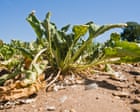
Keys crops such as cereals, potatoes, sugar and oils grown in areas with moderate to high risk.
Three-quarters of England’s wheat, barley and oilseed rape grow in parts of the country rated as being at a moderate to high drought risk, along with 70% of sugar beet and 67% of potatoes, it found.
The yield from this year’s cereals harvest in England and Wales was described as disappointing in the final 2026 harvest report from the Agriculture and Horticulture Development Board, with volumes of wheat, spring barley and oats below historical averages across the UK.
3 sentences from our version of the report,
chosen to cover it. Nothing here is written; every line is in the article below.
How
Summarized version
A high proportion of England’s fresh produce is concentrated in parts of the country that are already experiencing water stress, according to the analysis by the nature-focused investment fund Rebalance Earth.
Headline check
Headline as published: Most of UK’s essential food supply grown in drought-risk areas, report warns
The one thing this headline claims is in the report.
Figures, names and quoted words in the headline, looked for in the report itself — not in the summary above. One claim in this headline could be checked, so this is a narrow pass and not a thorough one. How this is checked
The article, shortened and in plain language
Keys crops such as cereals, potatoes, sugar and oils grown in areas with moderate to high risk.
A high proportion of England’s fresh produce is concentrated in parts of the country that are already experiencing water stress, according to the analysis by the nature-focused investment fund Rebalance Earth.
Three-quarters of England’s wheat, barley and oilseed rape grow in parts of the country rated as being at a moderate to high drought risk, along with 70% of sugar beet and 67% of potatoes, it found.
Some of England’s traditionally most productive agricultural areas – such as East Anglia, long known as the country’s breadbasket, and Kent, often described as the garden of England – are among those facing the greatest pressure from drought and have seen prolonged periods of dry weather in recent years.
The yield from this year’s cereals harvest in England and Wales was described as disappointing in the final 2026 harvest report from the Agriculture and Horticulture Development Board, with volumes of wheat, spring barley and oats below historical averages across the UK.
Crop yields are also lower than normal on the Elveden estate in Suffolk000 hectares of farmed land.
Shortened to 1 minute
of reading, this version reads 9.7 on the Niral Score.
You are reading our version, not theirs.
This is The Guardian Australia (Business)'s report shortened to its most important sentences, in plainer words, with
verdicts and loaded words taken out. Plain description stays, and so do adjectives
that carry a fact, such as "former" or "federal". The reporting, the facts and the quotations
are theirs — quotations are never edited — and the indicators beside it measure
this version. Hover or tap Adjectives to see every one left in the text.
How this outlet filed it, and how we rewrote it
No other newsroom we read has filed on this event, so there is nothing to compare it with yet.
Readers can ask a question about this story here.
Questions and answers are for subscribers.
Sign in
to read them.
Comments are read before they appear where anything in them needs a person to look.
Nothing posted here is ever deleted; a comment taken down keeps its text and the reason,
so the decision can be looked at again. How this works