 Engadget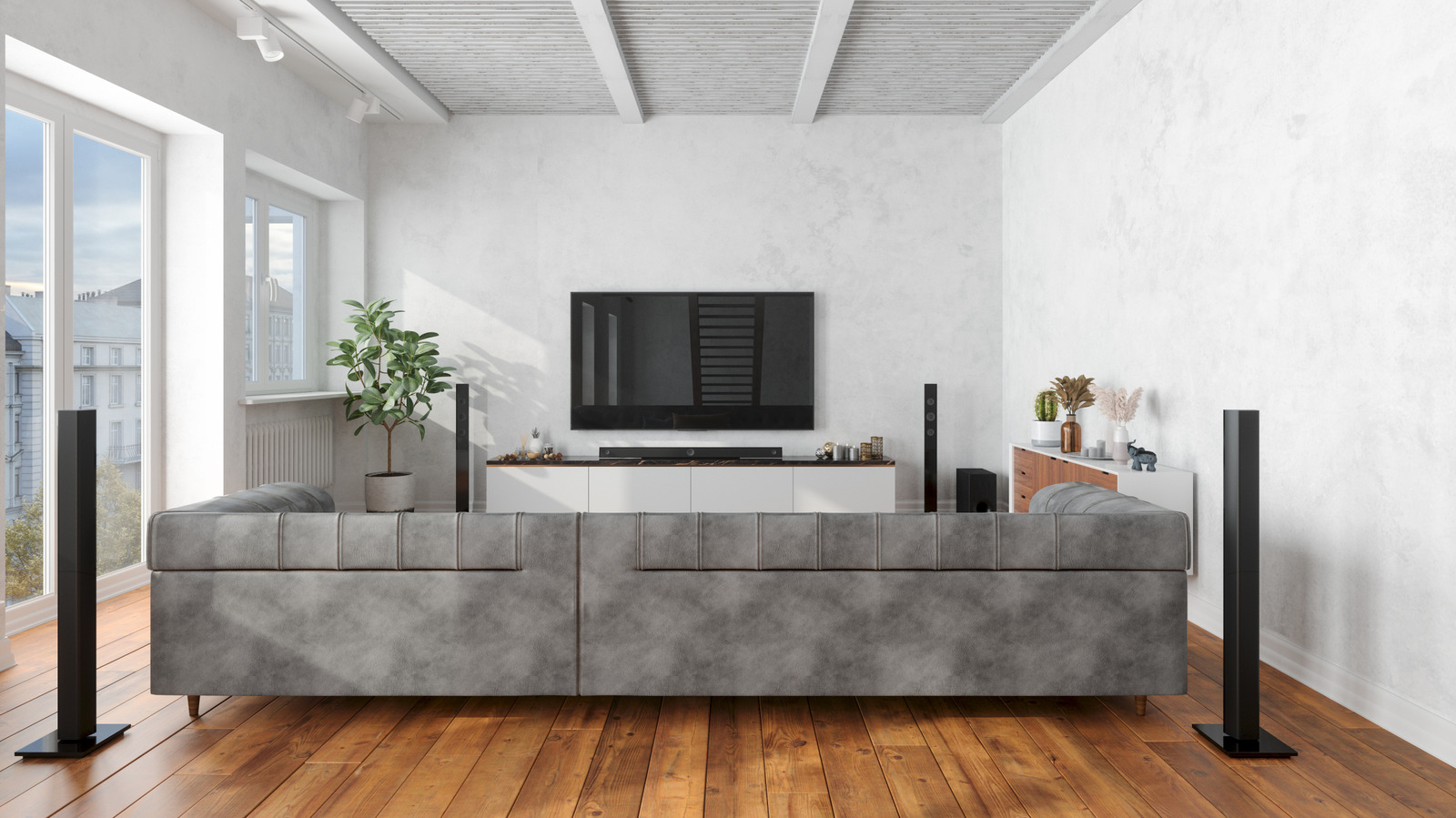
Angle the speakers, move the couch a bit, lay down a rug.
If your home surround system isn't exactly performing the way you expected, then the problem probably isn't your equipment. All the while, the room itself and the way the speakers are aimed have changed.
The good news is that, more often than not, you don't have to spend more money to improve your home theater experience. Before you go throwing money around, you should try out a series of small but targeted adjustments to what you already own. Adding a rug, repositioning your couch, angling your speakers, placing the subwoofer right and running the built-in calibration tool most speaker systems come with can make a world of difference.
You could, of course, use acoustic foam, call up professionals to set things up for you and buy new hardware. Check out the whole guide to see whether there's any advice you want to give a try.
Room acoustics are the easiest thing you can fix and often the one thing everyone overlooks. Hard surfaces like bare walls, tile floors and large windows reflect sound waves, creating muddied sound and echo that affect dialogue and sound effects. Anthony Grimani, President of Performance Media Industries and several other audio engineering firms, as well as a former sound engineer with Dolby Laboratories and Lucasfilm THX, states that more than half of what you hear in a regular room is sound bouncing off hard surfaces like ceilings, walls and hard flooring.
You can improve this with rugs, curtains, artworks and framed photos.